Yep, we may get a tiny thank-you (read: commission) when you buy through
links on Gadgetspotr — not enough for a yacht, but enough to keep the lights (and
servers) on.
Learn more
36
Highlights
59
Differences
8
Reactions
0
Likes
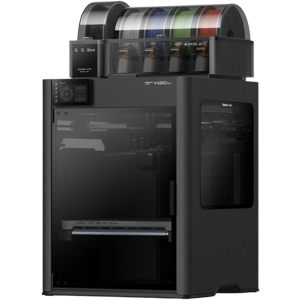
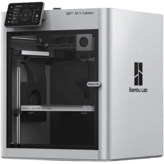
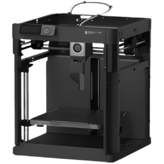
Bambu Lab P1S
vs
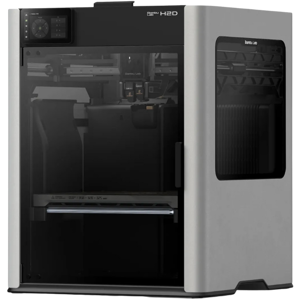
Bambu Lab H2D:
36 Highlights & 59 Differences —
So, Which 3D Printer Actually Works Better
See if you value quick prints or ultra-fine detail. P1S is speedy and versatile; H2D excels in control and accuracy.
Gadget showdown: Bambu Lab P1S vs Bambu Lab H2D — see how they match up in performance, features, and weight, connectivity options, remote access control & enterprise security features.
Bambu Lab P1S vs Bambu Lab H2D: A Comprehensive Comparison of Advanced 3D Printers
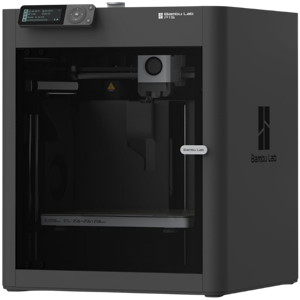
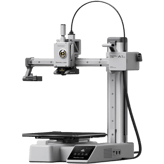
When diving into the world of FDM/FFF 3D printing, Bambu Lab presents two compelling options that cater to diverse user needs: the compact and speedy Bambu Lab P1S and the precision-focused Bambu Lab H2D. Both printers share features such as Wi-Fi connectivity, cloud-based Bambu Studio slicer software compatibility, and remote monitoring capabilities. Still, they differ fundamentally in build volume, extrusion systems, and multi-material printing capabilities. While the H2D boasts almost double the build volume with its independent dual extruders suited for multi-material prints, the P1S features a heated chamber. It supports up to 16 materials simultaneously, demonstrating a remarkable multi-material system with environmental control. These distinctions underline their targeted audiences; from the professional seeking intricate accuracy and enterprise features to the enthusiast requiring swift, versatile printing in a compact form.
Innovations and Highlights of the Bambu Lab P1S
The Bambu Lab P1S shines with its focus on speed and advanced filament management. Its official maximum print speed of 500 mm/s delivers impressive throughput, with a benchmark print time of just 13 minutes for the classic Benchy model. Equipped with a heated chamber reaching up to 140°F and a bed that heats up to 230°C, it supports a wide spectrum of filaments, including PLA, ABS, PETG, Nylon, TPU, PA, PC, and ASA; all managed within a controlled environment to maintain print consistency.
The inclusion of a filament dry box and auto-loading system enhances reliability by preventing moisture-related printing issues, making multi-material prints smoother. Its CoreXY frame design with a closed enclosure, carbon air filtration, and PEI flexible magnetic build plate elevates usability and environmental safety. Additionally, the P1S impresses with print fault detection, recovery features, and customizable chamber lighting, all contributing to an intuitive and efficient user experience.
What Makes the Bambu Lab H2D an Enticing Choice
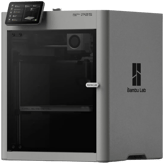
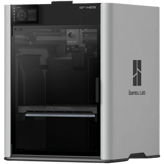
The Bambu Lab H2D is tailored for those who prioritize exceptional print precision and multi-material flexibility with dual independent extruders. Its generous build volume of 1904.72 cm³ almost doubles the P1S, accommodating larger prototypes or engineering parts. With a fine minimum layer resolution of 10 microns, the H2D adds a level of detail fantastic for miniatures and professional prototyping. The dual extruder system allows simultaneous use of two materials, including special filaments like Carbon Fiber and biocompatible materials; a versatility that caters well to industrial and educational applications.
Its open-frame design, complemented by a user-friendly touchscreen display, makes operation accessible while providing lighting inside the chamber for easy print monitoring. Safety and compliance features such as an enclosure lock and resin spill protection emphasize secure handling, beneficial in professional settings. Enterprise users may also appreciate enhanced security features, licensing options, and SLA support contracts, which the H2D uniquely offers.
Quick Take
The Bambu Lab P1S steals the spotlight with its blazing print speeds, robust multi-material capabilities, and a fully enclosed, heated print chamber that fosters consistent quality and filament management. Meanwhile, the Bambu Lab H2D excels in high-precision dual extrusion with a significantly larger build volume, catering to professionals who demand intricate prints and enterprise-level support.
Bottom Line
For consumers and pros seeking a fast, versatile 3D printer that fits compact workspaces and a broad range of materials, the Bambu Lab P1S offers remarkable value and performance at an accessible price point. Conversely, the H2D is better suited for users who require detailed dual extrusion printing, larger volumes, and enterprise-grade enhancements, justifying its higher investment. Both printers redefine what users can expect from modern desktop 3D printers, each mastering a niche with their distinct advantages.
Verdict
Winner: Bambu Lab P1S - Offers exceptional print speed, advanced multi-material handling with a heated chamber, and an enclosed, filtered environment at a more affordable price.
Runner-up: Bambu Lab H2D - Excels in precision with dual independent extruders, larger build volume, and superior professional features, but comes at a significantly higher cost.
Side by side. The numbers. The features. No drama.
This side-by-side 3d printers review of Bambu Lab P1S vs Bambu Lab H2D is packed with useful info — specs, standout features, and real user takes.
Bambu Lab P1S is intended for Consumer and Professional use, whereas Bambu Lab H2D expands its intended use to include Educational applications. This makes the H2D a more versatile option for diverse environments.
Identifies the main user category.
In the battle of Intended Use,
Bambu Lab P1S ◉ is
same as
Bambu Lab H2D ◉
.
Don’t keep it to yourself — be the first to react and review the
Intended Use on Bambu Lab P1S ◉
vs Bambu Lab H2D ◉ and help others decide!
0
Bambu Lab H2D
0Votes
Beginner, Intermediate, Advanced, Professional
vs
Target User Level
The Target User Level for Bambu Lab P1S covers Beginner, Intermediate, and Advanced users, while Bambu Lab H2D also includes Professional users. The H2D aims to cater to a broader, more expert user base.
Indicates the recommended skill level.
In the battle of Target User Level,
Bambu Lab P1S ◉ is
same as
Bambu Lab H2D ◉
.
Don’t keep it to yourself — be the first to react and review the
Target User Level on Bambu Lab P1S ◉
vs Bambu Lab H2D ◉ and help others decide!
Upgrade Path
Does it support an upgrade path?
Yes
0Votes
Bambu Lab P1S
Yes
0Votes
Bambu Lab H2D
vs
Upgrade Path
Both Bambu Lab P1S and Bambu Lab H2D offer an upgrade path. This indicates that both printers can be enhanced and improved over time with additional components or features.
Whether the printer can be expanded with official or third-party upgrades.
In the battle of Upgrade Path,
Bambu Lab P1S ◉ is
same as
Bambu Lab H2D ◉
.
Don’t keep it to yourself — be the first to react and review the
Upgrade Path on Bambu Lab P1S ◉
vs Bambu Lab H2D ◉ and help others decide!
Product Name
What is the product name?
0
Bambu Lab P1S
0Votes
Bambu Lab P1S
0
Bambu Lab H2D
0Votes
Bambu Lab H2D
The commercial name of the 3D printer.
In the battle of Product Name,
Bambu Lab P1S ◉ is
same as
Bambu Lab H2D ◉
.
Don’t keep it to yourself — be the first to react and review the
Product Name on Bambu Lab P1S ◉
vs Bambu Lab H2D ◉ and help others decide!
Release Year
What is the release year?
0
Bambu Lab P1S
0Votes
2023
0
Bambu Lab H2D
0Votes
2024
vs
Release Year
The Release Year for Bambu Lab P1S is 2023, while Bambu Lab H2D was released in 2024. The H2D is a newer model, potentially incorporating more recent design or feature updates.
The year the 3D printer was first released.
In the battle of Release Year,
Bambu Lab P1S ◉ is
same as
Bambu Lab H2D ◉
.
Don’t keep it to yourself — be the first to react and review the
Release Year on Bambu Lab P1S ◉
vs Bambu Lab H2D ◉ and help others decide!
Printer Type
What type of printer is it?
0
Bambu Lab P1S
0Votes
FDM/FFF
0
Bambu Lab H2D
0Votes
FDM/FFF
Defines the printing technology used by the machine.
In the battle of Printer Type,
Bambu Lab P1S ◉ is
same as
Bambu Lab H2D ◉
.
Don’t keep it to yourself — be the first to react and review the
Printer Type on Bambu Lab P1S ◉
vs Bambu Lab H2D ◉ and help others decide!
In the battle of Supported Applications,
Bambu Lab P1S ◉ is
same as
Bambu Lab H2D ◉
.
Don’t keep it to yourself — be the first to react and review the
Supported Applications on Bambu Lab P1S ◉
vs Bambu Lab H2D ◉ and help others decide!
Assembly Type
What is the assembly type?
0
Bambu Lab P1S
0Votes
Prebuilt
0
Bambu Lab H2D
0Votes
Kit
vs
Assembly Type
Bambu Lab P1S comes as a Prebuilt machine, but Bambu Lab H2D is an assembly Kit. Users who prefer a ready-to-print experience will favor the P1S, while the H2D is for those who enjoy the assembly process.
Shows whether the printer is sold as a kit requiring assembly or fully prebuilt.
In the battle of Assembly Type,
Bambu Lab P1S ◉ is
same as
Bambu Lab H2D ◉
.
Don’t keep it to yourself — be the first to react and review the
Assembly Type on Bambu Lab P1S ◉
vs Bambu Lab H2D ◉ and help others decide!
Assembly Required
Is assembly required?
No
0Votes
Bambu Lab P1S
Yes
0Votes
Bambu Lab H2D
vs
Assembly Required
Assembly Required is not applicable for Bambu Lab P1S, as it is prebuilt, whereas Bambu Lab H2D explicitly states that assembly is required. This is a key difference in initial setup effort.
States if the printer requires assembly.
In the battle of Assembly Required,
Bambu Lab P1S ◉ is
better than
Bambu Lab H2D ◉
.
Don’t keep it to yourself — be the first to react and review the
Assembly Required on Bambu Lab P1S ◉
vs Bambu Lab H2D ◉ and help others decide!
Country of Origin
What is the country of origin?
0
Bambu Lab P1S
0Votes
China
0
Bambu Lab H2D
0Votes
China
The country where the product is designed or manufactured.
In the battle of Country of Origin,
Bambu Lab P1S ◉ is
same as
Bambu Lab H2D ◉
.
Don’t keep it to yourself — be the first to react and review the
Country of Origin on Bambu Lab P1S ◉
vs Bambu Lab H2D ◉ and help others decide!
Bambu Lab P1S weighs 22.68 lbs (10.29 kg), which is considerably lighter than Bambu Lab H2D at 68.34 lbs (31.0 kg). The H2D is a more substantial and heavier machine, suggesting greater stability or larger components.
Net weight of the printer.
In the battle of Weight,
Bambu Lab P1S ◉ is
better than
Bambu Lab H2D ◉
, delivering
lower
45.7 lbs
measurement.
Don’t keep it to yourself — be the first to react and review the
Weight on Bambu Lab P1S ◉
vs Bambu Lab H2D ◉ and help others decide!
Width
What is the printer’s width?
15.35
inch
0Votes
20.24
inch
0Votes
Bambu Lab P1S
The printer has a width of 15.35 inch (approximately 39 cm). The exact converted width is 38.99 cm.
The total external width of the printer.
In the battle of Width,
Bambu Lab P1S ◉ is
better than
Bambu Lab H2D ◉
, delivering
lower
4.9 inch
measurement.
Don’t keep it to yourself — be the first to react and review the
Width on Bambu Lab P1S ◉
vs Bambu Lab H2D ◉ and help others decide!
Height
What is the printer’s height?
18.03
inch
0Votes
24.65
inch
0Votes
Bambu Lab P1S
The height of the printer is 18.03 inch (approximately 45.79 cm). This measurement is crucial for determining placement and clearance.
The total external height of the printer.
In the battle of Height,
Bambu Lab P1S ◉ is
better than
Bambu Lab H2D ◉
, delivering
lower
6.6 inch
measurement.
Don’t keep it to yourself — be the first to react and review the
Height on Bambu Lab P1S ◉
vs Bambu Lab H2D ◉ and help others decide!
Depth
What is the printer’s depth?
15.35
inch
0Votes
19.37
inch
0Votes
The total external depth of the printer.
In the battle of Depth,
Bambu Lab P1S ◉ is
better than
Bambu Lab H2D ◉
, delivering
lower
4.0 inch
measurement.
Don’t keep it to yourself — be the first to react and review the
Depth on Bambu Lab P1S ◉
vs Bambu Lab H2D ◉ and help others decide!
Folded Width
What is the folded width?
Who knows?
0Votes
Bambu Lab P1S
(Help us out by suggesting one!)
Who knows?
0Votes
Bambu Lab H2D
(Help us out by suggesting one!)
Width of the printer when folded (if applicable).
Don’t keep it to yourself — be the first to react and review the
Folded Width on Bambu Lab P1S ◉
vs Bambu Lab H2D ◉ and help others decide!
Folded Depth
What is the folded depth?
Who knows?
0Votes
Bambu Lab P1S
(Help us out by suggesting one!)
Who knows?
0Votes
Bambu Lab H2D
(Help us out by suggesting one!)
Depth of the printer when folded.
Don’t keep it to yourself — be the first to react and review the
Folded Depth on Bambu Lab P1S ◉
vs Bambu Lab H2D ◉ and help others decide!
Folded Height
What is the folded height?
Who knows?
0Votes
Bambu Lab P1S
(Help us out by suggesting one!)
Who knows?
0Votes
Bambu Lab H2D
(Help us out by suggesting one!)
Height of the printer when folded.
Don’t keep it to yourself — be the first to react and review the
Folded Height on Bambu Lab P1S ◉
vs Bambu Lab H2D ◉ and help others decide!
Package Width
What is the package width?
Who knows?
0Votes
Bambu Lab P1S
(Help us out by suggesting one!)
24.41
inch
0Votes
Width of the printer’s packaging.
Don’t keep it to yourself — be the first to react and review the
Package Width on Bambu Lab P1S ◉
vs Bambu Lab H2D ◉ and help others decide!
Package Depth
What is the package depth?
Who knows?
0Votes
Bambu Lab P1S
(Help us out by suggesting one!)
24.41
inch
0Votes
Depth of the printer’s packaging.
Don’t keep it to yourself — be the first to react and review the
Package Depth on Bambu Lab P1S ◉
vs Bambu Lab H2D ◉ and help others decide!
Package Height
What is the package height?
Who knows?
0Votes
Bambu Lab P1S
(Help us out by suggesting one!)
29.72
inch
0Votes
Height of the printer’s packaging.
Don’t keep it to yourself — be the first to react and review the
Package Height on Bambu Lab P1S ◉
vs Bambu Lab H2D ◉ and help others decide!
Package Weight
What is the package weight?
30.86
lbs
0Votes
Who knows?
0Votes
Bambu Lab H2D
(Help us out by suggesting one!)
vs
Package Weight
Bambu Lab P1S has a Package Weight of 30.86 lbs (14.0 kg), while this information is unavailable for Bambu Lab H2D. The P1S provides a clear indication of its shipping weight.
total shipping weight including packaging.
Don’t keep it to yourself — be the first to react and review the
Package Weight on Bambu Lab P1S ◉
vs Bambu Lab H2D ◉ and help others decide!
Build-to-Printer Size Ratio
What is the build-to-printer size ratio?
Who knows?
0Votes
Bambu Lab P1S
(Help us out by suggesting one!)
Who knows?
0Votes
Bambu Lab H2D
(Help us out by suggesting one!)
The efficiency ratio of build volume relative to the overall printer size.
Don’t keep it to yourself — be the first to react and review the
Build-to-Printer Size Ratio on Bambu Lab P1S ◉
vs Bambu Lab H2D ◉ and help others decide!
Space Requirement
What is the space requirement?
Who knows?
0Votes
Bambu Lab P1S
(Help us out by suggesting one!)
Who knows?
0Votes
Bambu Lab H2D
(Help us out by suggesting one!)
The minimum flat surface area needed to safely place the printer.
Don’t keep it to yourself — be the first to react and review the
Space Requirement on Bambu Lab P1S ◉
vs Bambu Lab H2D ◉ and help others decide!
Environmental & Power
9
Power Supply Type
What type of power supply does it use?
0
Bambu Lab P1S
0Votes
Internal
0
Bambu Lab H2D
0Votes
Internal
Bambu Lab P1S
The power supply type for the Bambu Lab P1S is Internal, meaning it is integrated directly within the printer's chassis for a cleaner and more compact setup.
Indicates whether the printer uses an internal or external power supply.
In the battle of Power Supply Type,
Bambu Lab P1S ◉ is
same as
Bambu Lab H2D ◉
.
Don’t keep it to yourself — be the first to react and review the
Power Supply Type on Bambu Lab P1S ◉
vs Bambu Lab H2D ◉ and help others decide!
Energy Saving Mode
Does it have energy saving mode?
Yes
0Votes
Bambu Lab P1S
Yes
0Votes
Bambu Lab H2D
Bambu Lab P1S
An energy-saving mode is available, which helps reduce power consumption when the printer is idle or not actively printing, contributing to lower energy costs.
Whether the printer includes an energy-saving or eco mode.
In the battle of Energy Saving Mode,
Bambu Lab P1S ◉ is
same as
Bambu Lab H2D ◉
.
Don’t keep it to yourself — be the first to react and review the
Energy Saving Mode on Bambu Lab P1S ◉
vs Bambu Lab H2D ◉ and help others decide!
Operating Temperature Range
What is the operating temperature range?
0
Bambu Lab P1S
0Votes
50-86°F
0
Bambu Lab H2D
0Votes
50-86°F
Recommended ambient temperature range for safe operation.
In the battle of Operating Temperature Range,
Bambu Lab P1S ◉ is
same as
Bambu Lab H2D ◉
.
Don’t keep it to yourself — be the first to react and review the
Operating Temperature Range on Bambu Lab P1S ◉
vs Bambu Lab H2D ◉ and help others decide!
Storage Temperature Range
What is the storage temperature range?
0
Bambu Lab P1S
0Votes
-4-104°F
0
Bambu Lab H2D
0Votes
-4-104°F
Safe temperature range for storing the printer when not in use.
In the battle of Storage Temperature Range,
Bambu Lab P1S ◉ is
same as
Bambu Lab H2D ◉
.
Don’t keep it to yourself — be the first to react and review the
Storage Temperature Range on Bambu Lab P1S ◉
vs Bambu Lab H2D ◉ and help others decide!
Operating Humidity Range
What is the operating humidity range?
0
Bambu Lab P1S
0Votes
30-80%
0
Bambu Lab H2D
0Votes
30-80%
Acceptable humidity range during printer operation.
In the battle of Operating Humidity Range,
Bambu Lab P1S ◉ is
same as
Bambu Lab H2D ◉
.
Don’t keep it to yourself — be the first to react and review the
Operating Humidity Range on Bambu Lab P1S ◉
vs Bambu Lab H2D ◉ and help others decide!
Storage Humidity Range
What is the storage humidity range?
0
Bambu Lab P1S
0Votes
10-90%
0
Bambu Lab H2D
0Votes
10-90%
Safe humidity range for storing the printer.
In the battle of Storage Humidity Range,
Bambu Lab P1S ◉ is
same as
Bambu Lab H2D ◉
.
Don’t keep it to yourself — be the first to react and review the
Storage Humidity Range on Bambu Lab P1S ◉
vs Bambu Lab H2D ◉ and help others decide!
Power Supply Voltage
What is the required power supply voltage?
0
Bambu Lab P1S
0Votes
100-240 Volt
0
Bambu Lab H2D
0Votes
100-240 Volt
Voltage input supported by the printer’s power supply.
In the battle of Power Supply Voltage,
Bambu Lab P1S ◉ is
same as
Bambu Lab H2D ◉
.
Don’t keep it to yourself — be the first to react and review the
Power Supply Voltage on Bambu Lab P1S ◉
vs Bambu Lab H2D ◉ and help others decide!
Power Consumption
What is the power consumption?
1,000
Watt
0Votes
350
Watt
0Votes
vs
Power Consumption
The Power Consumption for Bambu Lab P1S is 1000 Watts, significantly higher than Bambu Lab H2D's 350 Watts. The H2D is notably more energy-efficient during operation.
Average power usage during active printing.
In the battle of Power Consumption,
Bambu Lab P1S ◉ is
worse than
Bambu Lab H2D ◉
, delivering
higher
650.0 Watt
measurement.
Don’t keep it to yourself — be the first to react and review the
Power Consumption on Bambu Lab P1S ◉
vs Bambu Lab H2D ◉ and help others decide!
Idle Power Consumption
What is the idle power consumption?
Who knows?
0Votes
Bambu Lab P1S
(Help us out by suggesting one!)
10
Watt
0Votes
vs
Idle Power Consumption
Bambu Lab P1S does not specify its Idle Power Consumption, but Bambu Lab H2D consumes 10 Watts when idle. The H2D offers clarity on its low power usage when not actively printing.
Power drawn while the printer is on but not printing.
Don’t keep it to yourself — be the first to react and review the
Idle Power Consumption on Bambu Lab P1S ◉
vs Bambu Lab H2D ◉ and help others decide!
Bambu Lab P1S has a Build Volume of 955.57 cubic inches (15659.8 cm³), which is considerably less than Bambu Lab H2D's 1904.72 cubic inches (31213.9 cm³). The H2D offers roughly double the print volume, making it suitable for larger projects.
total printable volume capacity.
In the battle of Build Volume,
Bambu Lab P1S ◉ is
worse than
Bambu Lab H2D ◉
, delivering
lower
949.2 cubic in
measurement.
Based on community votes for Build Volume,
Bambu Lab P1S ◉ earned
0 votes,
less than
Bambu Lab H2D ◉,
which got 1 votes.
The Layer Resolution Minimum for Bambu Lab P1S is 50 microns, while Bambu Lab H2D achieves a much finer resolution of 10 microns. The H2D is capable of producing prints with significantly greater detail and smoother surfaces.
Finest layer height achievable.
In the battle of Layer Resolution Minimum,
Bambu Lab P1S ◉ is
worse than
Bambu Lab H2D ◉
, delivering
higher
40.0 microns
measurement.
Based on community votes for Layer Resolution Minimum,
Bambu Lab P1S ◉ earned
0 votes,
less than
Bambu Lab H2D ◉,
which got 1 votes.
Bambu Lab P1S includes a Heated Chamber, a feature not listed as available for Bambu Lab H2D. The P1S offers better temperature stability for printing with advanced and warp-prone materials.
Whether the printer has a heated build chamber.
In the battle of Heated Chamber,
Bambu Lab P1S ◉ is
better than
Bambu Lab H2D ◉
.
Based on community votes for Heated Chamber,
Bambu Lab P1S ◉ earned
1 votes,
more than
Bambu Lab H2D ◉,
which got 0 votes.
Having a heated chamber on the P1S is a game-changer for materials like ABS and ASA. It really helps prevent warping and ensures consistent quality.
See more
Standard Nozzle Diameter
What is the standard nozzle diameter?
0.4
mm
0Votes
0.4
mm
0Votes
Bambu Lab H2D
The standard nozzle diameter is 0.4 mm, a common size that offers a good balance between print speed and detail.
Default nozzle diameter provided.
In the battle of Standard Nozzle Diameter,
Bambu Lab P1S ◉ is
same as
Bambu Lab H2D ◉
, delivering
equal
0.40 mm
measurement.
Don’t keep it to yourself — be the first to react and review the
Standard Nozzle Diameter on Bambu Lab P1S ◉
vs Bambu Lab H2D ◉ and help others decide!
Max Extruder Temperature
What is the max extruder temperature?
572
°F
0Votes
572
°F
0Votes
Bambu Lab H2D
The maximum extruder temperature is 572 °F (300.00 °C), which allows for printing with a wide variety of high-performance filaments.
Maximum heating capability of extruder.
In the battle of Max Extruder Temperature,
Bambu Lab P1S ◉ is
same as
Bambu Lab H2D ◉
, delivering
equal
572.00 °F
measurement.
Don’t keep it to yourself — be the first to react and review the
Max Extruder Temperature on Bambu Lab P1S ◉
vs Bambu Lab H2D ◉ and help others decide!
Number of Extruders
How many extruders does the printer have?
0
Bambu Lab P1S
0Votes
1
0
Bambu Lab H2D
0Votes
2
vs
Number of Extruders
Bambu Lab P1S features 1 extruder, whereas Bambu Lab H2D is equipped with 2 extruders. The H2D allows for multi-color or multi-material printing without requiring an external accessory like an AMS unit.
total extruders installed.
In the battle of Number of Extruders,
Bambu Lab P1S ◉ is
same as
Bambu Lab H2D ◉
.
Don’t keep it to yourself — be the first to react and review the
Number of Extruders on Bambu Lab P1S ◉
vs Bambu Lab H2D ◉ and help others decide!
Extruder Drive Type
What type of extruder drive does it use?
0
Bambu Lab P1S
0Votes
Direct Drive
0
Bambu Lab H2D
0Votes
Direct Drive
Bambu Lab P1S
The Bambu Lab P1S uses a Direct Drive extruder type, where the motor is directly above the hotend, providing better control over filament extrusion and making it suitable for flexible filaments.
The type of filament feeding system.
In the battle of Extruder Drive Type,
Bambu Lab P1S ◉ is
same as
Bambu Lab H2D ◉
.
Don’t keep it to yourself — be the first to react and review the
Extruder Drive Type on Bambu Lab P1S ◉
vs Bambu Lab H2D ◉ and help others decide!
Independent Dual Extruder
Does it have IDEX support?
No
0Votes
Bambu Lab P1S
Yes
1Votes
Bambu Lab H2D
vs
Independent Dual Extruder
Bambu Lab P1S does not have an Independent Dual Extruder (IDEX) system, while Bambu Lab H2D does. The H2D offers advanced IDEX capabilities for more versatile dual-material printing, including mirror mode or duplicate mode.
Whether the printer supports independent extruder heads.
In the battle of Independent Dual Extruder,
Bambu Lab P1S ◉ is
worse than
Bambu Lab H2D ◉
.
Based on community votes for Independent Dual Extruder,
Bambu Lab P1S ◉ earned
0 votes,
less than
Bambu Lab H2D ◉,
which got 1 votes.
The H2D having independent dual extruders is awesome for multi-color prints or using soluble supports. That's a huge plus for versatility in projects.
See more
Build Width
What is the build width?
9.84
inch
0Votes
12.6
inch
0Votes
Maximum printable width of the build area.
In the battle of Build Width,
Bambu Lab P1S ◉ is
worse than
Bambu Lab H2D ◉
, delivering
lower
2.8 inch
measurement.
Don’t keep it to yourself — be the first to react and review the
Build Width on Bambu Lab P1S ◉
vs Bambu Lab H2D ◉ and help others decide!
Build Depth
What is the build depth?
9.84
inch
0Votes
11.81
inch
0Votes
vs
Build Depth
Bambu Lab P1S offers a Build Depth of 9.84 inches (25.0 cm), while Bambu Lab H2D has a deeper build area of 11.81 inches (30.0 cm). The H2D supports larger objects in depth.
Maximum printable depth of the build area.
In the battle of Build Depth,
Bambu Lab P1S ◉ is
worse than
Bambu Lab H2D ◉
, delivering
lower
2.0 inch
measurement.
Don’t keep it to yourself — be the first to react and review the
Build Depth on Bambu Lab P1S ◉
vs Bambu Lab H2D ◉ and help others decide!
Build Height
What is the build height?
9.84
inch
0Votes
12.8
inch
0Votes
vs
Build Height
Bambu Lab P1S features a Build Height of 9.84 inches (25.0 cm), whereas Bambu Lab H2D provides a taller build height of 12.8 inches (32.5 cm). The H2D can accommodate taller prints.
Maximum printable height of the build area.
In the battle of Build Height,
Bambu Lab P1S ◉ is
worse than
Bambu Lab H2D ◉
, delivering
lower
3.0 inch
measurement.
Don’t keep it to yourself — be the first to react and review the
Build Height on Bambu Lab P1S ◉
vs Bambu Lab H2D ◉ and help others decide!
Layer Resolution Maximum
What is the maximum layer resolution?
350
microns
0Votes
100
microns
0Votes
Thickest layer height achievable.
In the battle of Layer Resolution Maximum,
Bambu Lab P1S ◉ is
better than
Bambu Lab H2D ◉
, delivering
higher
250.0 microns
measurement.
Don’t keep it to yourself — be the first to react and review the
Layer Resolution Maximum on Bambu Lab P1S ◉
vs Bambu Lab H2D ◉ and help others decide!
Optional Nozzle Sizes
What optional nozzle sizes are supported?
0
Bambu Lab P1S
0Votes
0.2mm, 0.6mm, 0.8mm
0
Bambu Lab H2D
0Votes
0.2mm, 0.4mm, 0.6mm, 0.8mm
vs
Optional Nozzle Sizes
Bambu Lab P1S offers Optional Nozzle Sizes of 0.2mm, 0.6mm, and 0.8mm, while Bambu Lab H2D includes 0.2mm, 0.4mm, 0.6mm, and 0.8mm. The H2D provides a wider range of optional nozzle sizes, including the standard 0.4mm.
Alternative nozzle sizes supported.
In the battle of Optional Nozzle Sizes,
Bambu Lab P1S ◉ is
same as
Bambu Lab H2D ◉
.
Don’t keep it to yourself — be the first to react and review the
Optional Nozzle Sizes on Bambu Lab P1S ◉
vs Bambu Lab H2D ◉ and help others decide!
Filament Diameter Supported
What filament diameter is supported?
1.75
mm
0Votes
1.75
mm
0Votes
The filament size compatible with printer.
In the battle of Filament Diameter Supported,
Bambu Lab P1S ◉ is
same as
Bambu Lab H2D ◉
, delivering
equal
1.75 mm
measurement.
Don’t keep it to yourself — be the first to react and review the
Filament Diameter Supported on Bambu Lab P1S ◉
vs Bambu Lab H2D ◉ and help others decide!
Min Extruder Temperature
What is the min extruder temperature?
356
°F
0Votes
68
°F
0Votes
Lowest operable extruder temperature.
In the battle of Min Extruder Temperature,
Bambu Lab P1S ◉ is
worse than
Bambu Lab H2D ◉
, delivering
higher
288.0 °F
measurement.
Don’t keep it to yourself — be the first to react and review the
Min Extruder Temperature on Bambu Lab P1S ◉
vs Bambu Lab H2D ◉ and help others decide!
Max Bed Temperature
What is the max bed temperature?
230
°F
0Votes
140
°F
0Votes
vs
Max Bed Temperature
Bambu Lab P1S supports a Max Bed Temperature of 230°F (110°C), which is considerably hotter than Bambu Lab H2D's 140°F (60°C). The P1S is better suited for materials that require higher bed temperatures to prevent warping and improve adhesion.
Maximum heated bed temperature.
In the battle of Max Bed Temperature,
Bambu Lab P1S ◉ is
better than
Bambu Lab H2D ◉
, delivering
higher
90.0 °F
measurement.
Don’t keep it to yourself — be the first to react and review the
Max Bed Temperature on Bambu Lab P1S ◉
vs Bambu Lab H2D ◉ and help others decide!
Bed Temperature Gradient
What is the bed temperature gradient?
Who knows?
0Votes
Bambu Lab P1S
(Help us out by suggesting one!)
2
°F
0Votes
Variance in heat across the bed surface.
Don’t keep it to yourself — be the first to react and review the
Bed Temperature Gradient on Bambu Lab P1S ◉
vs Bambu Lab H2D ◉ and help others decide!
Chamber Temperature Control Range
What is the chamber temperature control range?
0
Bambu Lab P1S
0Votes
Up to 140°F
0
Bambu Lab H2D
0Votes
68-140°F
Range of temperatures the printer chamber can maintain
In the battle of Chamber Temperature Control Range,
Bambu Lab P1S ◉ is
same as
Bambu Lab H2D ◉
.
Don’t keep it to yourself — be the first to react and review the
Chamber Temperature Control Range on Bambu Lab P1S ◉
vs Bambu Lab H2D ◉ and help others decide!
Quick-Swap Nozzles
Does it have quick-swap nozzles?
Yes
0Votes
Bambu Lab P1S
No
0Votes
Bambu Lab H2D
vs
Quick-Swap Nozzles
Bambu Lab P1S features Quick-Swap Nozzles for convenience, a feature not listed for Bambu Lab H2D. The P1S makes changing nozzles faster and easier for users.
Nozzles can be quickly swapped without tools.
In the battle of Quick-Swap Nozzles,
Bambu Lab P1S ◉ is
better than
Bambu Lab H2D ◉
.
Don’t keep it to yourself — be the first to react and review the
Quick-Swap Nozzles on Bambu Lab P1S ◉
vs Bambu Lab H2D ◉ and help others decide!
Honestly, being able to support up to 16 materials on the P1S is just insane with the AMS. That level of multi-material printing is exactly what I'm looking for.
Bambu Lab P1S supports filament types such as PLA, ABS, PETG, Nylon, TPU, PA, PC, and ASA, while Bambu Lab H2D additionally supports Carbon Fiber. The H2D offers compatibility with a wider range of high-performance materials.
Filament materials that the printer can process.
In the battle of Supported Filament Types,
Bambu Lab P1S ◉ is
same as
Bambu Lab H2D ◉
.
Don’t keep it to yourself — be the first to react and review the
Supported Filament Types on Bambu Lab P1S ◉
vs Bambu Lab H2D ◉ and help others decide!
Filament Drying Required
Is filament drying required?
Yes
0Votes
Bambu Lab P1S
No
0Votes
Bambu Lab H2D
Bambu Lab P1S
Filament drying is often required, particularly for hygroscopic materials like Nylon or PETG, to ensure optimal print quality and prevent issues like stringing or poor layer adhesion.
Whether drying filament before use is necessary.
In the battle of Filament Drying Required,
Bambu Lab P1S ◉ is
worse than
Bambu Lab H2D ◉
.
Don’t keep it to yourself — be the first to react and review the
Filament Drying Required on Bambu Lab P1S ◉
vs Bambu Lab H2D ◉ and help others decide!
Third-Party Material
Does it support third-party materials?
Yes
0Votes
Bambu Lab P1S
Yes
0Votes
Bambu Lab H2D
Bambu Lab H2D
The printer is compatible with third-party materials, offering flexibility in material choice beyond official Bambu Lab filaments.
Ability to use non-proprietary materials.
In the battle of Third-Party Material,
Bambu Lab P1S ◉ is
same as
Bambu Lab H2D ◉
.
Don’t keep it to yourself — be the first to react and review the
Third-Party Material on Bambu Lab P1S ◉
vs Bambu Lab H2D ◉ and help others decide!
Max Supported Filament Diameter
What is the maximum supported filament diameter?
1.75
mm
0Votes
Who knows?
0Votes
Bambu Lab H2D
(Help us out by suggesting one!)
Maximum filament diameter that can be used.
Don’t keep it to yourself — be the first to react and review the
Max Supported Filament Diameter on Bambu Lab P1S ◉
vs Bambu Lab H2D ◉ and help others decide!
Filament Dry Box
Does it support filament dry boxes?
Yes
0Votes
Bambu Lab P1S
No
0Votes
Bambu Lab H2D
Supports use of a dry box to prevent filament moisture issues.
In the battle of Filament Dry Box,
Bambu Lab P1S ◉ is
better than
Bambu Lab H2D ◉
.
Don’t keep it to yourself — be the first to react and review the
Filament Dry Box on Bambu Lab P1S ◉
vs Bambu Lab H2D ◉ and help others decide!
Filament Auto-Loading
Does it have filament auto-loading?
Yes
0Votes
Bambu Lab P1S
No
0Votes
Bambu Lab H2D
Automatic feeding of filament into extruder.
In the battle of Filament Auto-Loading,
Bambu Lab P1S ◉ is
better than
Bambu Lab H2D ◉
.
Don’t keep it to yourself — be the first to react and review the
Filament Auto-Loading on Bambu Lab P1S ◉
vs Bambu Lab H2D ◉ and help others decide!
Multi-Material Printing
Can it print with multiple materials?
Yes
0Votes
Bambu Lab P1S
Yes
0Votes
Bambu Lab H2D
Ability to print with multiple materials simultaneously.
In the battle of Multi-Material Printing,
Bambu Lab P1S ◉ is
same as
Bambu Lab H2D ◉
.
Don’t keep it to yourself — be the first to react and review the
Multi-Material Printing on Bambu Lab P1S ◉
vs Bambu Lab H2D ◉ and help others decide!
Supported Resin Types
What resin types are supported?
0
Bambu Lab P1S
0Votes
None
0
Bambu Lab H2D
0Votes
None
Resin types that the printer can use.
In the battle of Supported Resin Types,
Bambu Lab P1S ◉ is
same as
Bambu Lab H2D ◉
.
Don’t keep it to yourself — be the first to react and review the
Supported Resin Types on Bambu Lab P1S ◉
vs Bambu Lab H2D ◉ and help others decide!
Compatible Resin Wavelength
What resin wavelength is compatible?
Who knows?
0Votes
Bambu Lab P1S
(Help us out by suggesting one!)
Who knows?
0Votes
Bambu Lab H2D
(Help us out by suggesting one!)
Light wavelength compatibility for curing resins.
Don’t keep it to yourself — be the first to react and review the
Compatible Resin Wavelength on Bambu Lab P1S ◉
vs Bambu Lab H2D ◉ and help others decide!
Max Resin Tank Capacity
What is the maximum resin tank capacity?
Who knows?
0Votes
Bambu Lab P1S
(Help us out by suggesting one!)
Who knows?
0Votes
Bambu Lab H2D
(Help us out by suggesting one!)
Maximum amount of resin the tank can hold.
Don’t keep it to yourself — be the first to react and review the
Max Resin Tank Capacity on Bambu Lab P1S ◉
vs Bambu Lab H2D ◉ and help others decide!
Resin Auto-Fill
Does it have resin auto-fill?
No
0Votes
Bambu Lab P1S
No
0Votes
Bambu Lab H2D
Automatic filling of resin during prints.
In the battle of Resin Auto-Fill,
Bambu Lab P1S ◉ is
same as
Bambu Lab H2D ◉
.
Don’t keep it to yourself — be the first to react and review the
Resin Auto-Fill on Bambu Lab P1S ◉
vs Bambu Lab H2D ◉ and help others decide!
Biocompatible Materials Support
Does it support biocompatible materials?
No
0Votes
Bambu Lab P1S
Yes
0Votes
Bambu Lab H2D
vs
Biocompatible Materials Support
Biocompatible Materials Support is not specified for Bambu Lab P1S, but Bambu Lab H2D explicitly supports them. The H2D may be a more suitable choice for specialized applications requiring biocompatible prints.
Supports resins/filaments approved for medical or dental use.
In the battle of Biocompatible Materials Support,
Bambu Lab P1S ◉ is
worse than
Bambu Lab H2D ◉
.
Don’t keep it to yourself — be the first to react and review the
Biocompatible Materials Support on Bambu Lab P1S ◉
vs Bambu Lab H2D ◉ and help others decide!
Bambu Lab P1S has an Idle Noise Level of 48.9 dB, which is considerably louder than Bambu Lab H2D's 35 dB. The H2D is significantly quieter when not actively printing, making it more suitable for shared or quiet environments.
Measures the noise when printer is on but not printing; lower is better.
In the battle of Idle Noise Level,
Bambu Lab P1S ◉ is
worse than
Bambu Lab H2D ◉
, delivering
higher
13.9 dB
measurement.
Based on community votes for Idle Noise Level,
Bambu Lab P1S ◉ earned
0 votes,
less than
Bambu Lab H2D ◉,
which got 1 votes.
The H2D's idle noise level is significantly lower, which is great if the printer is going to be running in a quieter environment or near a workspace. I really value a quiet operation.
In the battle of Spaghetti/Fault Detection,
Bambu Lab P1S ◉ is
same as
Bambu Lab H2D ◉
.
Don’t keep it to yourself — be the first to react and review the
Spaghetti/Fault Detection on Bambu Lab P1S ◉
vs Bambu Lab H2D ◉ and help others decide!
Measures the sound generated during printing; lower is quieter.
In the battle of Operating Noise Level,
Bambu Lab P1S ◉ is
same as
Bambu Lab H2D ◉
, delivering
equal
50.00 dB
measurement.
Don’t keep it to yourself — be the first to react and review the
Operating Noise Level on Bambu Lab P1S ◉
vs Bambu Lab H2D ◉ and help others decide!
First Layer Calibration
How is the first layer calibrated?
0
Bambu Lab P1S
0Votes
Auto
0
Bambu Lab H2D
0Votes
Auto
Bambu Lab H2D
First layer calibration is Auto, ensuring consistent and reliable first layer adhesion which is critical for successful prints.
Method used for first-layer bed calibration.
In the battle of First Layer Calibration,
Bambu Lab P1S ◉ is
same as
Bambu Lab H2D ◉
.
Don’t keep it to yourself — be the first to react and review the
First Layer Calibration on Bambu Lab P1S ◉
vs Bambu Lab H2D ◉ and help others decide!
Official Max Print Speed
What is the official max print speed?
500
mm/s
1Votes
Who knows?
0Votes
Bambu Lab H2D
(Help us out by suggesting one!)
vs
Official Max Print Speed
Bambu Lab P1S has an Official Max Print Speed of 500 mm/s, while this information is not available for Bambu Lab H2D. The P1S provides a clear benchmark for its rapid printing capabilities.
Manufacturer-claimed maximum print speed.
Based on community votes for Official Max Print Speed,
Bambu Lab P1S ◉ earned
1 votes,
more than
Bambu Lab H2D ◉,
which got 0 votes.
The P1S just crushes it with speed, 500 mm/s is seriously fast for FDM printing. I really value quick print times for efficiency.
See more
Measured Effective Print Speed
What is the effective measured print speed?
500
mm/s
0Votes
Who knows?
0Votes
Bambu Lab H2D
(Help us out by suggesting one!)
Independently measured real-world print speed.
Don’t keep it to yourself — be the first to react and review the
Measured Effective Print Speed on Bambu Lab P1S ◉
vs Bambu Lab H2D ◉ and help others decide!
Time to Print Benchy
How long does it take to print a Benchy?
13
minutes
0Votes
Who knows?
0Votes
Bambu Lab H2D
(Help us out by suggesting one!)
vs
Time to Print Benchy
Bambu Lab P1S can print a Benchy in 13 minutes, a specific performance benchmark that is not available for Bambu Lab H2D. The P1S demonstrates exceptional speed for common test prints.
Average time to complete the benchmark “Benchy” model.
Don’t keep it to yourself — be the first to react and review the
Time to Print Benchy on Bambu Lab P1S ◉
vs Bambu Lab H2D ◉ and help others decide!
Print Adhesion Type
What type of print adhesion is used?
0
Bambu Lab P1S
0Votes
PEI
0
Bambu Lab H2D
0Votes
Other
Method used to secure prints to the bed.
In the battle of Print Adhesion Type,
Bambu Lab P1S ◉ is
same as
Bambu Lab H2D ◉
.
Don’t keep it to yourself — be the first to react and review the
Print Adhesion Type on Bambu Lab P1S ◉
vs Bambu Lab H2D ◉ and help others decide!
Bridging Performance
What is the bridging performance?
Who knows?
0Votes
Bambu Lab P1S
(Help us out by suggesting one!)
Who knows?
0Votes
Bambu Lab H2D
(Help us out by suggesting one!)
Longest unsupported horizontal span printed without sagging.
Don’t keep it to yourself — be the first to react and review the
Bridging Performance on Bambu Lab P1S ◉
vs Bambu Lab H2D ◉ and help others decide!
Overhang Performance
What is the overhang performance?
Who knows?
0Votes
Bambu Lab P1S
(Help us out by suggesting one!)
Who knows?
0Votes
Bambu Lab H2D
(Help us out by suggesting one!)
Maximum angle of unsupported overhangs achievable.
Don’t keep it to yourself — be the first to react and review the
Overhang Performance on Bambu Lab P1S ◉
vs Bambu Lab H2D ◉ and help others decide!
Print Recovery
Does the printer support print recovery?
Yes
0Votes
Bambu Lab P1S
Yes
0Votes
Bambu Lab H2D
Ability to resume print after power loss or interruption.
In the battle of Print Recovery,
Bambu Lab P1S ◉ is
same as
Bambu Lab H2D ◉
.
Don’t keep it to yourself — be the first to react and review the
Print Recovery on Bambu Lab P1S ◉
vs Bambu Lab H2D ◉ and help others decide!
Continuous Print Time
What is the max continuous print time?
Who knows?
0Votes
Bambu Lab P1S
(Help us out by suggesting one!)
Who knows?
0Votes
Bambu Lab H2D
(Help us out by suggesting one!)
Maximum supported printing time without interruption.
Don’t keep it to yourself — be the first to react and review the
Continuous Print Time on Bambu Lab P1S ◉
vs Bambu Lab H2D ◉ and help others decide!
Print Quality Rating
What is the print quality rating?
Who knows?
0Votes
Bambu Lab P1S
(Help us out by suggesting one!)
0
Bambu Lab H2D
0Votes
9
vs
Print Quality Rating
A Print Quality Rating is not specified for Bambu Lab P1S, while Bambu Lab H2D has a rating of 9. The H2D provides a high subjective rating for its print output quality.
Rated score for overall print quality (0–10).
Don’t keep it to yourself — be the first to react and review the
Print Quality Rating on Bambu Lab P1S ◉
vs Bambu Lab H2D ◉ and help others decide!
Camera for monitoring prints and creating time-lapses.
In the battle of Built-in Camera,
Bambu Lab P1S ◉ is
same as
Bambu Lab H2D ◉
.
Don’t keep it to yourself — be the first to react and review the
Built-in Camera on Bambu Lab P1S ◉
vs Bambu Lab H2D ◉ and help others decide!
Power Loss Recovery
Does it support power loss recovery?
Yes
0Votes
Bambu Lab P1S
Yes
0Votes
Bambu Lab H2D
Bambu Lab P1S
Power loss recovery is a key feature, allowing the printer to automatically resume a print from the point of interruption after a power outage, saving partially completed prints.
Bambu Lab H2D
In the event of a power outage, the printer can recover and resume printing from where it left off, preventing failed prints and wasted material.
Recovers print jobs after power interruptions.
In the battle of Power Loss Recovery,
Bambu Lab P1S ◉ is
same as
Bambu Lab H2D ◉
.
Don’t keep it to yourself — be the first to react and review the
Power Loss Recovery on Bambu Lab P1S ◉
vs Bambu Lab H2D ◉ and help others decide!
Cooling Fans
Does it have cooling fans?
Yes
0Votes
Bambu Lab P1S
Yes
0Votes
Bambu Lab H2D
Bambu Lab P1S
The printer is equipped with multiple cooling fans to effectively dissipate heat from the hotend and cool printed layers, crucial for achieving good print quality, especially for overhangs.
Bambu Lab H2D
The printer is equipped with cooling fans, which are crucial for rapidly solidifying extruded filament, especially for overhangs and bridging, to ensure print accuracy.
Fans for cooling extruder and printed layers.
In the battle of Cooling Fans,
Bambu Lab P1S ◉ is
same as
Bambu Lab H2D ◉
.
Don’t keep it to yourself — be the first to react and review the
Cooling Fans on Bambu Lab P1S ◉
vs Bambu Lab H2D ◉ and help others decide!
Air Filtration
What type of air filtration is included?
0
Bambu Lab P1S
0Votes
Carbon
0
Bambu Lab H2D
0Votes
None
vs
Air Filtration
Bambu Lab P1S includes Carbon air filtration, a feature absent in Bambu Lab H2D. The P1S provides better air quality by filtering fumes and particles during printing.
Air filtering system for reducing fumes and particulates.
In the battle of Air Filtration,
Bambu Lab P1S ◉ is
same as
Bambu Lab H2D ◉
.
Don’t keep it to yourself — be the first to react and review the
Air Filtration on Bambu Lab P1S ◉
vs Bambu Lab H2D ◉ and help others decide!
Build Plate Type
What type of build plate does it have?
0
Bambu Lab P1S
0Votes
PEI, Magnetic, Flex
0
Bambu Lab H2D
0Votes
Flex
Bambu Lab P1S
The printer uses a PEI (Polyetherimide) coated, Magnetic, and Flexible build plate, offering excellent adhesion, easy print removal by flexing, and quick swapping of plates.
Type of build surface material.
In the battle of Build Plate Type,
Bambu Lab P1S ◉ is
same as
Bambu Lab H2D ◉
.
Don’t keep it to yourself — be the first to react and review the
Build Plate Type on Bambu Lab P1S ◉
vs Bambu Lab H2D ◉ and help others decide!
Build Plate Removable
Is the build plate removable?
Yes
0Votes
Bambu Lab P1S
Yes
0Votes
Bambu Lab H2D
Bambu Lab H2D
The build plate is removable, which greatly simplifies print removal and makes maintenance tasks easier.
Whether the build plate can be detached for print removal.
In the battle of Build Plate Removable,
Bambu Lab P1S ◉ is
same as
Bambu Lab H2D ◉
.
Don’t keep it to yourself — be the first to react and review the
Build Plate Removable on Bambu Lab P1S ◉
vs Bambu Lab H2D ◉ and help others decide!
Filament Runout Sensor
Does it have a filament runout sensor?
Yes
0Votes
Bambu Lab P1S
Yes
0Votes
Bambu Lab H2D
Bambu Lab H2D
A filament runout sensor is included, which automatically pauses a print when filament runs out, preventing air prints and allowing for easy material replenishment.
Detects when filament runs out and pauses printing.
In the battle of Filament Runout Sensor,
Bambu Lab P1S ◉ is
same as
Bambu Lab H2D ◉
.
Don’t keep it to yourself — be the first to react and review the
Filament Runout Sensor on Bambu Lab P1S ◉
vs Bambu Lab H2D ◉ and help others decide!
Vibration Compensation
Does it support vibration compensation?
Yes
0Votes
Bambu Lab P1S
Yes
0Votes
Bambu Lab H2D
Bambu Lab P1S
The printer incorporates vibration compensation technology to minimize artifacts caused by printer movement, resulting in smoother and more accurate prints, especially at higher speeds.
Compensation system to reduce print artifacts.
In the battle of Vibration Compensation,
Bambu Lab P1S ◉ is
same as
Bambu Lab H2D ◉
.
Don’t keep it to yourself — be the first to react and review the
Vibration Compensation on Bambu Lab P1S ◉
vs Bambu Lab H2D ◉ and help others decide!
Frame Type
What is the frame type?
0
Bambu Lab P1S
0Votes
CoreXY
Who knows?
0Votes
Bambu Lab H2D
(Help us out by suggesting one!)
vs
Frame Type
Bambu Lab P1S uses a CoreXY Frame Type, while the frame type for Bambu Lab H2D is not specified. The P1S benefits from the speed and precision characteristic of CoreXY motion systems.
Mechanical structure style of the printer.
Don’t keep it to yourself — be the first to react and review the
Frame Type on Bambu Lab P1S ◉
vs Bambu Lab H2D ◉ and help others decide!
Enclosure
Is the printer open or enclosed?
0
Bambu Lab P1S
0Votes
Closed
0
Bambu Lab H2D
0Votes
Open
vs
Enclosure
Bambu Lab P1S features a Closed enclosure, contrasting with Bambu Lab H2D's Open enclosure. The P1S offers better thermal management and safety for printing certain materials, while the H2D is more accessible.
Whether the printer has an open or enclosed build chamber.
In the battle of Enclosure,
Bambu Lab P1S ◉ is
same as
Bambu Lab H2D ◉
.
Don’t keep it to yourself — be the first to react and review the
Enclosure on Bambu Lab P1S ◉
vs Bambu Lab H2D ◉ and help others decide!
Touchscreen Display
Does it have a touchscreen display?
No
0Votes
Bambu Lab P1S
Yes
0Votes
Bambu Lab H2D
vs
Touchscreen Display
Bambu Lab P1S does not specify having a touchscreen display, whereas Bambu Lab H2D includes one. The H2D offers a modern and direct interface for printer control.
Indicates if a touchscreen is provided for controls.
In the battle of Touchscreen Display,
Bambu Lab P1S ◉ is
worse than
Bambu Lab H2D ◉
.
Don’t keep it to yourself — be the first to react and review the
Touchscreen Display on Bambu Lab P1S ◉
vs Bambu Lab H2D ◉ and help others decide!
Screen Resolution
What is the display resolution?
Who knows?
0Votes
Bambu Lab P1S
(Help us out by suggesting one!)
Who knows?
0Votes
Bambu Lab H2D
(Help us out by suggesting one!)
Resolution of the display screen.
Don’t keep it to yourself — be the first to react and review the
Screen Resolution on Bambu Lab P1S ◉
vs Bambu Lab H2D ◉ and help others decide!
Screen Size
What is the display screen size?
6
Inch
0Votes
Who knows?
0Votes
Bambu Lab H2D
(Help us out by suggesting one!)
Size of the display screen.
Don’t keep it to yourself — be the first to react and review the
Screen Size on Bambu Lab P1S ◉
vs Bambu Lab H2D ◉ and help others decide!
Lighting Inside Chamber
Does it have chamber lighting?
Yes
0Votes
Bambu Lab P1S
Yes
0Votes
Bambu Lab H2D
Chamber lighting to monitor prints in progress.
In the battle of Lighting Inside Chamber,
Bambu Lab P1S ◉ is
same as
Bambu Lab H2D ◉
.
Don’t keep it to yourself — be the first to react and review the
Lighting Inside Chamber on Bambu Lab P1S ◉
vs Bambu Lab H2D ◉ and help others decide!
Chamber Lighting Color Modes
What chamber lighting modes are available?
0
Bambu Lab P1S
0Votes
White, RGB
0
Bambu Lab H2D
0Votes
White
vs
Chamber Lighting Color Modes
Bambu Lab P1S offers
Options for chamber lighting colors.
In the battle of Chamber Lighting Color Modes,
Bambu Lab P1S ◉ is
same as
Bambu Lab H2D ◉
.
Don’t keep it to yourself — be the first to react and review the
Chamber Lighting Color Modes on Bambu Lab P1S ◉
vs Bambu Lab H2D ◉ and help others decide!
Build Plate Surface Texture
What is the build plate texture?
0
Bambu Lab P1S
0Votes
Textured
0
Bambu Lab H2D
0Votes
Smooth
vs
Build Plate Surface Texture
Bambu Lab P1S features a Textured Build Plate Surface, while Bambu Lab H2D has a Smooth surface. Each texture offers different adhesion characteristics and can result in distinct surface finishes for prints.
Surface finish of the build plate.
In the battle of Build Plate Surface Texture,
Bambu Lab P1S ◉ is
same as
Bambu Lab H2D ◉
.
Don’t keep it to yourself — be the first to react and review the
Build Plate Surface Texture on Bambu Lab P1S ◉
vs Bambu Lab H2D ◉ and help others decide!
Auto Bed Leveling
Does it support auto bed leveling?
Yes
0Votes
Bambu Lab P1S
Yes
0Votes
Bambu Lab H2D
Automatic calibration of the print bed.
In the battle of Auto Bed Leveling,
Bambu Lab P1S ◉ is
same as
Bambu Lab H2D ◉
.
Don’t keep it to yourself — be the first to react and review the
Auto Bed Leveling on Bambu Lab P1S ◉
vs Bambu Lab H2D ◉ and help others decide!
Manual Bed Leveling
Does it support manual bed leveling?
No
0Votes
Bambu Lab P1S
No
0Votes
Bambu Lab H2D
Support for traditional manual bed leveling.
In the battle of Manual Bed Leveling,
Bambu Lab P1S ◉ is
same as
Bambu Lab H2D ◉
.
Don’t keep it to yourself — be the first to react and review the
Manual Bed Leveling on Bambu Lab P1S ◉
vs Bambu Lab H2D ◉ and help others decide!
Motion System
What is the motion system?
0
Bambu Lab P1S
0Votes
Linear Rails
0
Bambu Lab H2D
0Votes
Linear Rails, Rods
Mechanical motion system guiding the print head.
In the battle of Motion System,
Bambu Lab P1S ◉ is
same as
Bambu Lab H2D ◉
.
Don’t keep it to yourself — be the first to react and review the
Motion System on Bambu Lab P1S ◉
vs Bambu Lab H2D ◉ and help others decide!
Toolhead Modularity
What modular toolheads are supported?
0
Bambu Lab P1S
0Votes
None
Who knows?
0Votes
Bambu Lab H2D
(Help us out by suggesting one!)
vs
Toolhead Modularity
Toolhead Modularity is listed as
Whether the toolhead can be swapped for other functions.
Don’t keep it to yourself — be the first to react and review the
Toolhead Modularity on Bambu Lab P1S ◉
vs Bambu Lab H2D ◉ and help others decide!
Proprietary software, specifically Bambu Studio and Bambu Handy, is required for full functionality and optimal performance of the Bambu Lab P1S.
Whether use of manufacturer’s software is mandatory.
In the battle of Proprietary Software Required,
Bambu Lab P1S ◉ is
same as
Bambu Lab H2D ◉
.
Don’t keep it to yourself — be the first to react and review the
Proprietary Software Required on Bambu Lab P1S ◉
vs Bambu Lab H2D ◉ and help others decide!
In the battle of Supported File Formats,
Bambu Lab P1S ◉ is
same as
Bambu Lab H2D ◉
.
Don’t keep it to yourself — be the first to react and review the
Supported File Formats on Bambu Lab P1S ◉
vs Bambu Lab H2D ◉ and help others decide!
Cloud-Based Software
Does it support cloud-based software?
Yes
0Votes
Bambu Lab P1S
Yes
0Votes
Bambu Lab H2D
Bambu Lab P1S
The Bambu Lab P1S integrates with cloud-based software, enabling remote management, monitoring, and file transfer through the Bambu Handy app and Bambu Studio.
Bambu Lab H2D
The printer utilizes cloud-based software, enabling features like remote access, print management, and secure data storage.
Indicates whether the printer uses or supports cloud software.
In the battle of Cloud-Based Software,
Bambu Lab P1S ◉ is
same as
Bambu Lab H2D ◉
.
Don’t keep it to yourself — be the first to react and review the
Cloud-Based Software on Bambu Lab P1S ◉
vs Bambu Lab H2D ◉ and help others decide!
Supported Slicers
Which slicers are supported?
0
Bambu Lab P1S
0Votes
Bambu Studio
0
Bambu Lab H2D
0Votes
Bambu Studio
Bambu Lab H2D
The printer is officially supported by Bambu Studio, which provides optimized print profiles and features for the machine.
Slicer programs that are compatible with the printer.
In the battle of Supported Slicers,
Bambu Lab P1S ◉ is
same as
Bambu Lab H2D ◉
.
Don’t keep it to yourself — be the first to react and review the
Supported Slicers on Bambu Lab P1S ◉
vs Bambu Lab H2D ◉ and help others decide!
File Transfer Method
What file transfer methods are supported?
0
Bambu Lab P1S
0Votes
Wi-Fi
0
Bambu Lab H2D
0Votes
Wi-Fi
Bambu Lab P1S
The primary method for file transfer to the Bambu Lab P1S is via Wi-Fi, allowing for convenient wireless sending of print jobs from Bambu Studio.
Methods available to transfer files to the printer.
In the battle of File Transfer Method,
Bambu Lab P1S ◉ is
same as
Bambu Lab H2D ◉
.
Don’t keep it to yourself — be the first to react and review the
File Transfer Method on Bambu Lab P1S ◉
vs Bambu Lab H2D ◉ and help others decide!
Remote Firmware Update
Does it support remote firmware updates?
Yes
0Votes
Bambu Lab P1S
Yes
0Votes
Bambu Lab H2D
Bambu Lab P1S
Remote firmware updates are supported, allowing the printer's software to be updated over the internet for new features and improvements without manual intervention.
Supports updating firmware remotely.
In the battle of Remote Firmware Update,
Bambu Lab P1S ◉ is
same as
Bambu Lab H2D ◉
.
Don’t keep it to yourself — be the first to react and review the
Remote Firmware Update on Bambu Lab P1S ◉
vs Bambu Lab H2D ◉ and help others decide!
Remote Monitoring
Does it support remote monitoring?
Yes
0Votes
Bambu Lab P1S
Yes
0Votes
Bambu Lab H2D
Ability to monitor prints remotely via app or web.
In the battle of Remote Monitoring,
Bambu Lab P1S ◉ is
same as
Bambu Lab H2D ◉
.
Don’t keep it to yourself — be the first to react and review the
Remote Monitoring on Bambu Lab P1S ◉
vs Bambu Lab H2D ◉ and help others decide!
Mobile App
Does it support a mobile app?
Yes
0Votes
Bambu Lab P1S
Yes
0Votes
Bambu Lab H2D
Ability to use a mobile app for control/monitoring.
In the battle of Mobile App,
Bambu Lab P1S ◉ is
same as
Bambu Lab H2D ◉
.
Don’t keep it to yourself — be the first to react and review the
Mobile App on Bambu Lab P1S ◉
vs Bambu Lab H2D ◉ and help others decide!
API/SDK Integration
Does it support API/SDK integration?
Yes
0Votes
Bambu Lab P1S
Yes
0Votes
Bambu Lab H2D
Allows developers to integrate with APIs or SDKs.
In the battle of API/SDK Integration,
Bambu Lab P1S ◉ is
same as
Bambu Lab H2D ◉
.
Don’t keep it to yourself — be the first to react and review the
API/SDK Integration on Bambu Lab P1S ◉
vs Bambu Lab H2D ◉ and help others decide!
In the battle of Multi-Printer Fleet Control,
Bambu Lab P1S ◉ is
same as
Bambu Lab H2D ◉
.
Don’t keep it to yourself — be the first to react and review the
Multi-Printer Fleet Control on Bambu Lab P1S ◉
vs Bambu Lab H2D ◉ and help others decide!
Time-Lapse Recording
Does it support time-lapse recording?
Yes
0Votes
Bambu Lab P1S
Yes
0Votes
Bambu Lab H2D
Ability to capture time-lapse videos of prints.
In the battle of Time-Lapse Recording,
Bambu Lab P1S ◉ is
same as
Bambu Lab H2D ◉
.
Don’t keep it to yourself — be the first to react and review the
Time-Lapse Recording on Bambu Lab P1S ◉
vs Bambu Lab H2D ◉ and help others decide!
Firmware Update
Does the printer support firmware updates?
Yes
0Votes
Bambu Lab P1S
Yes
0Votes
Bambu Lab H2D
Indicates whether the printer supports firmware updates; important for new features and bug fixes.
In the battle of Firmware Update,
Bambu Lab P1S ◉ is
same as
Bambu Lab H2D ◉
.
Don’t keep it to yourself — be the first to react and review the
Firmware Update on Bambu Lab P1S ◉
vs Bambu Lab H2D ◉ and help others decide!
Bambu Lab P1S does not have a Resin Cartridge System, while Bambu Lab H2D lists that it does. This feature is typically found on resin printers.
Whether it uses a sealed resin cartridge system for easy handling.
In the battle of Resin Cartridge System,
Bambu Lab P1S ◉ is
worse than
Bambu Lab H2D ◉
.
Don’t keep it to yourself — be the first to react and review the
Resin Cartridge System on Bambu Lab P1S ◉
vs Bambu Lab H2D ◉ and help others decide!
UV Light Source Type
What UV light source type does it use?
0
Bambu Lab P1S
0Votes
LED
0
Bambu Lab H2D
0Votes
None
vs
UV Light Source Type
Bambu Lab P1S has an LED UV Light Source Type, while Bambu Lab H2D specifies
Type of UV light source used to cure resin layers.
In the battle of UV Light Source Type,
Bambu Lab P1S ◉ is
same as
Bambu Lab H2D ◉
.
Don’t keep it to yourself — be the first to react and review the
UV Light Source Type on Bambu Lab P1S ◉
vs Bambu Lab H2D ◉ and help others decide!
UV Power Output
What is the UV power output?
Who knows?
0Votes
Bambu Lab P1S
(Help us out by suggesting one!)
Who knows?
0Votes
Bambu Lab H2D
(Help us out by suggesting one!)
Strength of UV light exposure affecting curing speed and accuracy.
Don’t keep it to yourself — be the first to react and review the
UV Power Output on Bambu Lab P1S ◉
vs Bambu Lab H2D ◉ and help others decide!
Resin Layer Curing Speed
What is the resin layer curing speed?
Who knows?
0Votes
Bambu Lab P1S
(Help us out by suggesting one!)
Who knows?
0Votes
Bambu Lab H2D
(Help us out by suggesting one!)
Time required to cure one resin layer.
Don’t keep it to yourself — be the first to react and review the
Resin Layer Curing Speed on Bambu Lab P1S ◉
vs Bambu Lab H2D ◉ and help others decide!
Resin Tank Lifetime
What is the resin tank lifetime?
Who knows?
0Votes
Bambu Lab P1S
(Help us out by suggesting one!)
0
Bambu Lab H2D
0Votes
None
vs
Resin Tank Lifetime
Resin Tank Lifetime is not applicable for Bambu Lab P1S, and Bambu Lab H2D lists
Approximate number of prints before resin tank replacement.
Don’t keep it to yourself — be the first to react and review the
Resin Tank Lifetime on Bambu Lab P1S ◉
vs Bambu Lab H2D ◉ and help others decide!
Auto Resin Mixing
Does it have auto resin mixing?
No
0Votes
Bambu Lab P1S
Yes
0Votes
Bambu Lab H2D
Whether resin is automatically mixed during operation for consistency.
In the battle of Auto Resin Mixing,
Bambu Lab P1S ◉ is
worse than
Bambu Lab H2D ◉
.
Don’t keep it to yourself — be the first to react and review the
Auto Resin Mixing on Bambu Lab P1S ◉
vs Bambu Lab H2D ◉ and help others decide!
Resin Heating System
Does it have a resin heating system?
No
0Votes
Bambu Lab P1S
Yes
0Votes
Bambu Lab H2D
Whether the printer can heat resin for optimal viscosity.
In the battle of Resin Heating System,
Bambu Lab P1S ◉ is
worse than
Bambu Lab H2D ◉
.
Don’t keep it to yourself — be the first to react and review the
Resin Heating System on Bambu Lab P1S ◉
vs Bambu Lab H2D ◉ and help others decide!
Wash Time
What is the wash time?
Who knows?
0Votes
Bambu Lab P1S
(Help us out by suggesting one!)
Who knows?
0Votes
Bambu Lab H2D
(Help us out by suggesting one!)
Typical duration to wash prints in post-processing.
Don’t keep it to yourself — be the first to react and review the
Wash Time on Bambu Lab P1S ◉
vs Bambu Lab H2D ◉ and help others decide!
Cure Time
What is the cure time?
Who knows?
0Votes
Bambu Lab P1S
(Help us out by suggesting one!)
Who knows?
0Votes
Bambu Lab H2D
(Help us out by suggesting one!)
Typical duration to fully cure resin prints after washing.
Don’t keep it to yourself — be the first to react and review the
Cure Time on Bambu Lab P1S ◉
vs Bambu Lab H2D ◉ and help others decide!
Post-Processing Equipment Compatibility
Is it compatible with post-processing equipment?
No
0Votes
Bambu Lab P1S
Yes
0Votes
Bambu Lab H2D
vs
Post-Processing Equipment Compatibility
Post-Processing Equipment Compatibility is not specified for Bambu Lab P1S, while Bambu Lab H2D lists that it does have this compatibility. The H2D offers integration with post-processing tools.
Whether the printer supports integration with wash/cure stations.
In the battle of Post-Processing Equipment Compatibility,
Bambu Lab P1S ◉ is
worse than
Bambu Lab H2D ◉
.
Don’t keep it to yourself — be the first to react and review the
Post-Processing Equipment Compatibility on Bambu Lab P1S ◉
vs Bambu Lab H2D ◉ and help others decide!
For safety especially in an educational or shared setting, the enclosure lock on the H2D is a really smart feature. I appreciate the extra security measures.
A setting that prevents unauthorized or unsafe use by children.
In the battle of Child Lock Mode,
Bambu Lab P1S ◉ is
same as
Bambu Lab H2D ◉
.
Don’t keep it to yourself — be the first to react and review the
Child Lock Mode on Bambu Lab P1S ◉
vs Bambu Lab H2D ◉ and help others decide!
Safety Certifications
What safety certifications does it have?
0
Bambu Lab P1S
0Votes
CE, FCC
0
Bambu Lab H2D
0Votes
CE, FCC
Bambu Lab P1S
The Bambu Lab P1S holds CE and FCC safety certifications, ensuring it meets European and United States regulatory standards for electronics and electromagnetic compatibility.
Official safety standards the printer complies with.
In the battle of Safety Certifications,
Bambu Lab P1S ◉ is
same as
Bambu Lab H2D ◉
.
Don’t keep it to yourself — be the first to react and review the
Safety Certifications on Bambu Lab P1S ◉
vs Bambu Lab H2D ◉ and help others decide!
Emergency Stop Button
Does it have an emergency stop button?
Yes
0Votes
Bambu Lab P1S
Yes
0Votes
Bambu Lab H2D
Bambu Lab P1S
An emergency stop button is included, providing an immediate way to halt all printer operations in case of an issue or safety concern.
Dedicated button to stop the printer instantly in emergencies.
In the battle of Emergency Stop Button,
Bambu Lab P1S ◉ is
same as
Bambu Lab H2D ◉
.
Don’t keep it to yourself — be the first to react and review the
Emergency Stop Button on Bambu Lab P1S ◉
vs Bambu Lab H2D ◉ and help others decide!
Overheat Protection
Does it feature overheat protection?
Yes
0Votes
Bambu Lab P1S
Yes
0Votes
Bambu Lab H2D
Bambu Lab H2D
Built-in overheat protection ensures the safe operation of the printer by preventing components from exceeding critical temperatures.
Shuts down printer when components exceed safe temps.
In the battle of Overheat Protection,
Bambu Lab P1S ◉ is
same as
Bambu Lab H2D ◉
.
Don’t keep it to yourself — be the first to react and review the
Overheat Protection on Bambu Lab P1S ◉
vs Bambu Lab H2D ◉ and help others decide!
Auto Shutdown on Error
Does it auto shut down on errors?
Yes
0Votes
Bambu Lab P1S
Yes
0Votes
Bambu Lab H2D
Bambu Lab H2D
The printer is designed to automatically shut down in case of an error, enhancing safety and preventing further damage or wasted material.
Shuts printer down automatically when critical errors occur.
In the battle of Auto Shutdown on Error,
Bambu Lab P1S ◉ is
same as
Bambu Lab H2D ◉
.
Don’t keep it to yourself — be the first to react and review the
Auto Shutdown on Error on Bambu Lab P1S ◉
vs Bambu Lab H2D ◉ and help others decide!
Air Quality Compliance
Is it compliant with air quality standards?
Yes
0Votes
Bambu Lab P1S
Yes
0Votes
Bambu Lab H2D
Bambu Lab P1S
The P1S is designed with air quality compliance in mind, featuring an enclosed chamber and optional filtration system to manage emissions, especially when printing with materials like ABS.
Meets air quality standards for emissions and filtration.
In the battle of Air Quality Compliance,
Bambu Lab P1S ◉ is
same as
Bambu Lab H2D ◉
.
Don’t keep it to yourself — be the first to react and review the
Air Quality Compliance on Bambu Lab P1S ◉
vs Bambu Lab H2D ◉ and help others decide!
Fireproof Build Plate
Does it have a fireproof build plate?
Yes
0Votes
Bambu Lab P1S
No
0Votes
Bambu Lab H2D
vs
Fireproof Build Plate
Bambu Lab P1S has a Fireproof Build Plate, which is not applicable for Bambu Lab H2D. The P1S provides an additional safety feature for its print bed.
Build plate is resistant to fire for extra safety.
In the battle of Fireproof Build Plate,
Bambu Lab P1S ◉ is
better than
Bambu Lab H2D ◉
.
Don’t keep it to yourself — be the first to react and review the
Fireproof Build Plate on Bambu Lab P1S ◉
vs Bambu Lab H2D ◉ and help others decide!
Safety Sensors Count
How many safety sensors are included?
Who knows?
0Votes
Bambu Lab P1S
(Help us out by suggesting one!)
0
Bambu Lab H2D
0Votes
3
vs
Safety Sensors Count
The Safety Sensors Count is not specified for Bambu Lab P1S, but Bambu Lab H2D has 3. The H2D provides a quantitative measure of its integrated safety features.
Number of safety sensors installed in the printer.
Don’t keep it to yourself — be the first to react and review the
Safety Sensors Count on Bambu Lab P1S ◉
vs Bambu Lab H2D ◉ and help others decide!
The Bambu Lab P1S is designed for tool-free maintenance in many aspects, simplifying routine upkeep and part replacement for users.
Allows key maintenance tasks without tools.
In the battle of Tool-Free Maintenance,
Bambu Lab P1S ◉ is
same as
Bambu Lab H2D ◉
.
Don’t keep it to yourself — be the first to react and review the
Tool-Free Maintenance on Bambu Lab P1S ◉
vs Bambu Lab H2D ◉ and help others decide!
Nozzle Replaceable
Is the nozzle replaceable?
Yes
0Votes
Bambu Lab P1S
Yes
0Votes
Bambu Lab H2D
Bambu Lab P1S
The nozzle is replaceable, allowing users to easily swap out nozzles of different sizes or materials for various printing needs and maintenance.
Bambu Lab H2D
Nozzles are replaceable, enabling users to swap different sizes for varying print detail or speed requirements, and simplifying maintenance.
Specifies if the nozzle can be replaced with different sizes or when worn.
In the battle of Nozzle Replaceable,
Bambu Lab P1S ◉ is
same as
Bambu Lab H2D ◉
.
Don’t keep it to yourself — be the first to react and review the
Nozzle Replaceable on Bambu Lab P1S ◉
vs Bambu Lab H2D ◉ and help others decide!
Spare Parts Availability
Are spare parts available?
Yes
0Votes
Bambu Lab P1S
Yes
0Votes
Bambu Lab H2D
Bambu Lab P1S
Spare parts are readily available for the Bambu Lab P1S, ensuring ease of maintenance and longevity of the printer.
Bambu Lab H2D
Spare parts are readily available, ensuring easier maintenance and longevity of the printer.
Whether spare parts are readily available for purchase.
In the battle of Spare Parts Availability,
Bambu Lab P1S ◉ is
same as
Bambu Lab H2D ◉
.
Don’t keep it to yourself — be the first to react and review the
Spare Parts Availability on Bambu Lab P1S ◉
vs Bambu Lab H2D ◉ and help others decide!
The Bambu Lab P1S is compatible with several mod kits, including the full Enclosure which is standard on the P1S (unlike the P1P), the AMS (Automatic Material System), and other Multi-Material printing accessories.
Officially supported modification kits.
In the battle of Supported Mod Kits,
Bambu Lab P1S ◉ is
same as
Bambu Lab H2D ◉
.
Don’t keep it to yourself — be the first to react and review the
Supported Mod Kits on Bambu Lab P1S ◉
vs Bambu Lab H2D ◉ and help others decide!
Self-Diagnostics
Does it have self-diagnostics?
Yes
0Votes
Bambu Lab P1S
Yes
0Votes
Bambu Lab H2D
Bambu Lab H2D
The printer features self-diagnostics capabilities, which can automatically identify and report potential issues, simplifying troubleshooting.
Printer can analyze itself for common faults and errors.
In the battle of Self-Diagnostics,
Bambu Lab P1S ◉ is
same as
Bambu Lab H2D ◉
.
Don’t keep it to yourself — be the first to react and review the
Self-Diagnostics on Bambu Lab P1S ◉
vs Bambu Lab H2D ◉ and help others decide!
Maintenance Reminders
Does it provide maintenance reminders?
Yes
0Votes
Bambu Lab P1S
Yes
0Votes
Bambu Lab H2D
Bambu Lab H2D
The printer provides maintenance reminders, helping users keep the machine in optimal condition and prevent issues proactively.
Automated alerts to schedule maintenance tasks.
In the battle of Maintenance Reminders,
Bambu Lab P1S ◉ is
same as
Bambu Lab H2D ◉
.
Don’t keep it to yourself — be the first to react and review the
Maintenance Reminders on Bambu Lab P1S ◉
vs Bambu Lab H2D ◉ and help others decide!
Lubrication Required
Does it require lubrication?
Yes
0Votes
Bambu Lab P1S
Yes
0Votes
Bambu Lab H2D
Bambu Lab H2D
Regular lubrication is required for certain moving parts, which is crucial for maintaining optimal performance and extending the lifespan of the printer.
Indicates if lubrication is needed for smooth operation.
In the battle of Lubrication Required,
Bambu Lab P1S ◉ is
same as
Bambu Lab H2D ◉
.
Don’t keep it to yourself — be the first to react and review the
Lubrication Required on Bambu Lab P1S ◉
vs Bambu Lab H2D ◉ and help others decide!
Predictive Maintenance Alerts
Does it feature predictive maintenance alerts?
Yes
0Votes
Bambu Lab P1S
Yes
0Votes
Bambu Lab H2D
Predicts potential failures and alerts the user before issues arise.
In the battle of Predictive Maintenance Alerts,
Bambu Lab P1S ◉ is
same as
Bambu Lab H2D ◉
.
Don’t keep it to yourself — be the first to react and review the
Predictive Maintenance Alerts on Bambu Lab P1S ◉
vs Bambu Lab H2D ◉ and help others decide!
Service Interval
What is the service interval?
Who knows?
0Votes
Bambu Lab P1S
(Help us out by suggesting one!)
Who knows?
0Votes
Bambu Lab H2D
(Help us out by suggesting one!)
Recommended time between major servicing.
Don’t keep it to yourself — be the first to react and review the
Service Interval on Bambu Lab P1S ◉
vs Bambu Lab H2D ◉ and help others decide!
Remote access control is available, allowing users to start, stop, and monitor prints from anywhere using the Bambu Handy app or Bambu Studio software.
Bambu Lab H2D
The printer supports remote access, allowing users to control and monitor prints from a distance.
Ability to control printer access remotely with permissions.
In the battle of Remote Access Control,
Bambu Lab P1S ◉ is
same as
Bambu Lab H2D ◉
.
Don’t keep it to yourself — be the first to react and review the
Remote Access Control on Bambu Lab P1S ◉
vs Bambu Lab H2D ◉ and help others decide!
Enterprise Security Features are not specified for Bambu Lab P1S, while Bambu Lab H2D includes them. The H2D is better equipped for secure professional and enterprise environments.
Advanced security measures like encryption, secure login, and permissions.
In the battle of Enterprise Security Features,
Bambu Lab P1S ◉ is
worse than
Bambu Lab H2D ◉
.
Don’t keep it to yourself — be the first to react and review the
Enterprise Security Features on Bambu Lab P1S ◉
vs Bambu Lab H2D ◉ and help others decide!
SLA & Support Contracts are not listed for Bambu Lab P1S, while Bambu Lab H2D offers them. The H2D provides options for formal service level agreements and enhanced support for businesses.
Option for service-level agreements and premium support contracts.
In the battle of SLA & Support Contracts,
Bambu Lab P1S ◉ is
worse than
Bambu Lab H2D ◉
.
Don’t keep it to yourself — be the first to react and review the
SLA & Support Contracts on Bambu Lab P1S ◉
vs Bambu Lab H2D ◉ and help others decide!
Print Farm Management
Does it support print farm management?
Yes
0Votes
Bambu Lab P1S
Yes
0Votes
Bambu Lab H2D
Bambu Lab H2D
The printer supports features for print farm management, making it suitable for managing multiple printers efficiently in a production environment.
Indicates if multiple printers can be networked and managed as a farm.
In the battle of Print Farm Management,
Bambu Lab P1S ◉ is
same as
Bambu Lab H2D ◉
.
Don’t keep it to yourself — be the first to react and review the
Print Farm Management on Bambu Lab P1S ◉
vs Bambu Lab H2D ◉ and help others decide!
Cloud Fleet Management
Does it support cloud fleet management?
Yes
0Votes
Bambu Lab P1S
Yes
0Votes
Bambu Lab H2D
Bambu Lab H2D
Cloud fleet management features enable the centralized control and monitoring of multiple printers, optimizing large-scale printing operations.
Ability to manage multiple devices remotely via cloud software.
In the battle of Cloud Fleet Management,
Bambu Lab P1S ◉ is
same as
Bambu Lab H2D ◉
.
Don’t keep it to yourself — be the first to react and review the
Cloud Fleet Management on Bambu Lab P1S ◉
vs Bambu Lab H2D ◉ and help others decide!
Workflow Integration
Does it integrate with workflows?
Yes
0Votes
Bambu Lab P1S
Yes
0Votes
Bambu Lab H2D
Bambu Lab P1S
The printer supports workflow integration, meaning it can seamlessly fit into existing design and production pipelines for efficient operation.
Integration with professional workflow tools and design platforms.
In the battle of Workflow Integration,
Bambu Lab P1S ◉ is
same as
Bambu Lab H2D ◉
.
Don’t keep it to yourself — be the first to react and review the
Workflow Integration on Bambu Lab P1S ◉
vs Bambu Lab H2D ◉ and help others decide!
Multi-User Profiles
Does it support multi-user profiles?
Yes
0Votes
Bambu Lab P1S
Yes
0Votes
Bambu Lab H2D
Allows multiple users to have distinct profiles and permissions.
In the battle of Multi-User Profiles,
Bambu Lab P1S ◉ is
same as
Bambu Lab H2D ◉
.
Don’t keep it to yourself — be the first to react and review the
Multi-User Profiles on Bambu Lab P1S ◉
vs Bambu Lab H2D ◉ and help others decide!
Licensing Options
Are licensing options available?
No
0Votes
Bambu Lab P1S
Yes
0Votes
Bambu Lab H2D
vs
Licensing Options
Licensing Options are not specified for Bambu Lab P1S, but Bambu Lab H2D explicitly lists them. The H2D offers more flexibility for commercial use and intellectual property management.
Availability of enterprise licensing for organizations.
In the battle of Licensing Options,
Bambu Lab P1S ◉ is
worse than
Bambu Lab H2D ◉
.
Don’t keep it to yourself — be the first to react and review the
Licensing Options on Bambu Lab P1S ◉
vs Bambu Lab H2D ◉ and help others decide!
Usage Analytics Dashboard
Does it include a usage analytics dashboard?
Yes
0Votes
Bambu Lab P1S
Yes
0Votes
Bambu Lab H2D
Provides usage statistics and analytics for tracking productivity and costs.
In the battle of Usage Analytics Dashboard,
Bambu Lab P1S ◉ is
same as
Bambu Lab H2D ◉
.
Don’t keep it to yourself — be the first to react and review the
Usage Analytics Dashboard on Bambu Lab P1S ◉
vs Bambu Lab H2D ◉ and help others decide!
Predictive Cost Estimation
Does it have predictive cost estimation?
Yes
0Votes
Bambu Lab P1S
Yes
0Votes
Bambu Lab H2D
Estimates printing costs (material, power, time) before job start.
In the battle of Predictive Cost Estimation,
Bambu Lab P1S ◉ is
same as
Bambu Lab H2D ◉
.
Don’t keep it to yourself — be the first to react and review the
Predictive Cost Estimation on Bambu Lab P1S ◉
vs Bambu Lab H2D ◉ and help others decide!
The presence of bed temperature sensors ensures precise and consistent heating across the build plate, which is crucial for uniform print adhesion and quality.
Detects and regulates the build plate temperature.
In the battle of Bed Temperature Sensors,
Bambu Lab P1S ◉ is
same as
Bambu Lab H2D ◉
.
Don’t keep it to yourself — be the first to react and review the
Bed Temperature Sensors on Bambu Lab P1S ◉
vs Bambu Lab H2D ◉ and help others decide!
Print Log Storage
Does it have print log storage?
Yes
0Votes
Bambu Lab P1S
Yes
0Votes
Bambu Lab H2D
Bambu Lab P1S
Print log storage is available, keeping a record of past print jobs, including duration, material usage, and any encountered errors, which is useful for troubleshooting and analysis.
Bambu Lab H2D
The printer stores print logs, providing a history of print jobs, errors, and performance data for analysis and troubleshooting.
Records print job history and diagnostic data.
In the battle of Print Log Storage,
Bambu Lab P1S ◉ is
same as
Bambu Lab H2D ◉
.
Don’t keep it to yourself — be the first to react and review the
Print Log Storage on Bambu Lab P1S ◉
vs Bambu Lab H2D ◉ and help others decide!
Filament Jam Detection
Does it support filament jam detection?
Yes
0Votes
Bambu Lab P1S
Yes
0Votes
Bambu Lab H2D
Bambu Lab H2D
Filament jam detection helps prevent print failures by pausing the job if the filament gets stuck, allowing users to clear the jam and resume printing.
Detects blockages or jams in the filament path.
In the battle of Filament Jam Detection,
Bambu Lab P1S ◉ is
same as
Bambu Lab H2D ◉
.
Don’t keep it to yourself — be the first to react and review the
Filament Jam Detection on Bambu Lab P1S ◉
vs Bambu Lab H2D ◉ and help others decide!
Vibration Sensor
Does it include a vibration sensor?
Yes
0Votes
Bambu Lab P1S
Yes
0Votes
Bambu Lab H2D
Detects vibrations and compensates for print accuracy.
In the battle of Vibration Sensor,
Bambu Lab P1S ◉ is
same as
Bambu Lab H2D ◉
.
Don’t keep it to yourself — be the first to react and review the
Vibration Sensor on Bambu Lab P1S ◉
vs Bambu Lab H2D ◉ and help others decide!
Remote Error Alerts
Does it provide remote error alerts?
Yes
0Votes
Bambu Lab P1S
Yes
0Votes
Bambu Lab H2D
Sends error notifications to remote devices.
In the battle of Remote Error Alerts,
Bambu Lab P1S ◉ is
same as
Bambu Lab H2D ◉
.
Don’t keep it to yourself — be the first to react and review the
Remote Error Alerts on Bambu Lab P1S ◉
vs Bambu Lab H2D ◉ and help others decide!
Predictive Failure Logs
Does it support predictive failure logs?
No
0Votes
Bambu Lab P1S
Yes
0Votes
Bambu Lab H2D
vs
Predictive Failure Logs
Predictive Failure Logs are not specified for Bambu Lab P1S, whereas Bambu Lab H2D includes them. The H2D offers advanced diagnostic capabilities to anticipate and prevent potential issues.
Tracks and predicts potential failures before they occur.
In the battle of Predictive Failure Logs,
Bambu Lab P1S ◉ is
worse than
Bambu Lab H2D ◉
.
Don’t keep it to yourself — be the first to react and review the
Predictive Failure Logs on Bambu Lab P1S ◉
vs Bambu Lab H2D ◉ and help others decide!
Calibration History Log
Does it have a calibration history log?
Yes
0Votes
Bambu Lab P1S
Yes
0Votes
Bambu Lab H2D
Stores history of calibration for quality control.
In the battle of Calibration History Log,
Bambu Lab P1S ◉ is
same as
Bambu Lab H2D ◉
.
Don’t keep it to yourself — be the first to react and review the
Calibration History Log on Bambu Lab P1S ◉
vs Bambu Lab H2D ◉ and help others decide!
Sensor Count
How many sensors are included?
0
Bambu Lab P1S
0Votes
2
0
Bambu Lab H2D
0Votes
5
vs
Sensor Count
Bambu Lab P1S has a total Sensor Count of 2, significantly fewer than Bambu Lab H2D's 5 sensors. The H2D integrates more sensors for more comprehensive monitoring and control.
total number of sensors installed in the printer.
In the battle of Sensor Count,
Bambu Lab P1S ◉ is
same as
Bambu Lab H2D ◉
.
Don’t keep it to yourself — be the first to react and review the
Sensor Count on Bambu Lab P1S ◉
vs Bambu Lab H2D ◉ and help others decide!
Chamber Temperature Sensors
Does it have chamber temperature sensors?
Yes
0Votes
Bambu Lab P1S
Yes
0Votes
Bambu Lab H2D
Tracks and maintains chamber temperature for consistent prints.
In the battle of Chamber Temperature Sensors,
Bambu Lab P1S ◉ is
same as
Bambu Lab H2D ◉
.
Don’t keep it to yourself — be the first to react and review the
Chamber Temperature Sensors on Bambu Lab P1S ◉
vs Bambu Lab H2D ◉ and help others decide!
Extruder Pressure Sensor
Does it have an extruder pressure sensor?
Yes
0Votes
Bambu Lab P1S
No
0Votes
Bambu Lab H2D
vs
Extruder Pressure Sensor
Bambu Lab P1S includes an Extruder Pressure Sensor, a feature not applicable for Bambu Lab H2D. The P1S has this specific sensor for monitoring extrusion performance.
Monitors extrusion pressure to prevent under- or over-extrusion.
In the battle of Extruder Pressure Sensor,
Bambu Lab P1S ◉ is
better than
Bambu Lab H2D ◉
.
Don’t keep it to yourself — be the first to react and review the
Extruder Pressure Sensor on Bambu Lab P1S ◉
vs Bambu Lab H2D ◉ and help others decide!
Surveys
Because hot takes deserve votes.
Printing Speed
How would you rate the printing speed of this 3D printer?
Lightning fast — Under 2 hours
0Votes
0Votes
Very fast — 2 to 5 hours
0Votes
0Votes
Fast — 5 to 10 hours
0Votes
0Votes
Moderate speed — 10 to 20 hours
0Votes
0Votes
Very slow — Over 20 hours
0Votes
0Votes
Print Quality and Detail
How would you describe the print quality and level of detail produced by this 3D printer?
Ultra fine detail — Layer height below 0.05 mm
0Votes
0Votes
Fine detail — Layer height 0.05 to 0.1 mm
0Votes
0Votes
Good detail — Layer height 0.1 to 0.2 mm
0Votes
0Votes
Decent detail — Layer height 0.2 to 0.3 mm
0Votes
0Votes
Rough and basic — Layer height above 0.3 mm
0Votes
0Votes
Build Volume Capacity
How do you find the build volume capacity of this 3D printer?
Extra large projects — Over 400 mm each side
0Votes
0Votes
Large projects — 300 to 400 mm each side
0Votes
0Votes
Medium projects — 200 to 300 mm each side
0Votes
0Votes
Small projects — 150 to 200 mm each side
0Votes
0Votes
Tiny prints only — Under 150 x 150 x 150 mm
0Votes
0Votes
Material Consumption Efficiency
How efficient is this 3D printer in using filament or resin materials?
Very efficient — Under 50 grams per model
0Votes
0Votes
Efficient — 50 to 70 grams per model
0Votes
0Votes
Decent efficiency — 70 to 100 grams per model
0Votes
0Votes
Average efficiency — 100 to 150 grams per model
0Votes
0Votes
Wasteful — Over 150 grams per model
0Votes
0Votes
Noise Level
How noisy is this 3D printer during operation?
Whisper quiet
0Votes
0Votes
Quiet most of the time
0Votes
0Votes
Manageable with background noise
0Votes
0Votes
Noticeable but tolerable
0Votes
0Votes
Loud and distracting
0Votes
0Votes
Durability and Lifespan
How durable does this 3D printer seem in terms of lifespan?
Very durable — Over 5 years
0Votes
0Votes
Long lasting — 3 to 5 years
0Votes
0Votes
Decent lifespan — 2 to 3 years
0Votes
0Votes
Short lifespan — 1 to 2 years
0Votes
0Votes
Breaks down quickly — Under 1 year
0Votes
0Votes
Performance
How would you rate the overall performance of this 3D printer in terms of print quality and reliability?
Excellent — Consistently produces high-quality prints with no issues
0Votes
0Votes
Good — Produces quality prints with minor inconsistencies
0Votes
0Votes
Average — Prints are acceptable with occasional issues
0Votes
0Votes
Below average — Frequent print failures or inconsistencies
0Votes
0Votes
Poor — Often fails to produce quality prints
0Votes
0Votes
Ease of Setup
How easy was the setup process for this 3D printer?
Very easy — The printer was simple to set up with clear instructions and minimal effort
0Votes
0Votes
Easy — Setup was straightforward, with only a few minor adjustments needed
0Votes
0Votes
Average — Setup was manageable but took time and required some troubleshooting
0Votes
0Votes
Challenging — Setup was difficult and required assistance from support or additional resources
0Votes
0Votes
Very difficult — Setup was complicated, with unclear instructions and many issues during the process
0Votes
0Votes
Pricing
How would you rate the pricing for this 3D printer?
Great value for money — Offers excellent features and performance at an affordable price
0Votes
0Votes
Pretty good price — Decent pricing for the features, a reasonable value
0Votes
0Votes
Fair deal — The price is acceptable but might be slightly high for the features offered
0Votes
0Votes
Kinda pricey — The price feels a bit high compared to similar models
0Votes
0Votes
Crazy expensive — The price is significantly higher than other options with similar features
0Votes
0Votes
Design Appeal
How would you rate the design appeal of this 3D printer?
Excellent — Sleek, modern design that looks great in any workspace
0Votes
0Votes
Good — Attractive and functional design that fits well in most environments
0Votes
0Votes
Average — Standard design with no particular standout features
0Votes
0Votes
Fair — Design feels bulky or outdated, but still serves its purpose
0Votes
0Votes
Poor — Unattractive design, clunky and may be an eyesore in most spaces


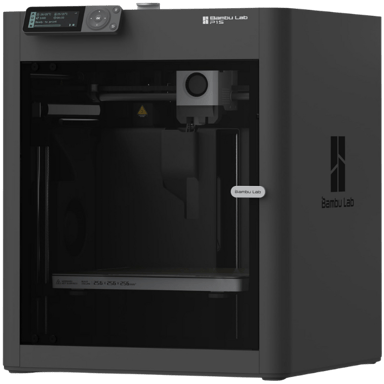
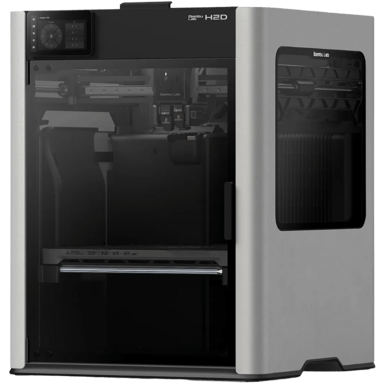
 Recaptor
 0
Cartling
0
Cartling