Yep, we may get a tiny thank-you (read: commission) when you buy through
links on Gadgetspotr — not enough for a yacht, but enough to keep the lights (and
servers) on.
Learn more
27
Highlights
46
Differences
9
Reactions
0
Likes
Bambu Lab P1S
vs
Creality K1 Max:
27 Highlights & 46 Differences —
So, Which 3D Printer Actually Works Better
The P1S offers multi-material printing and speed at a lower cost. The K1 Max shines with a larger print area. Choose wisely!
Gadget showdown: Bambu Lab P1S vs Creality K1 Max — see how they match up in performance, features, and vibration sensor, print log storage, remote error alerts & predictive failure logs.
3D Printer Showdown: Bambu Lab P1S Versus Creality K1 Max
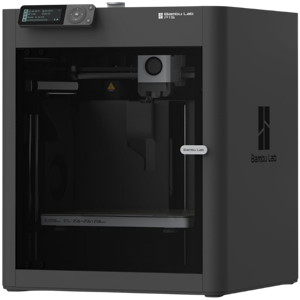
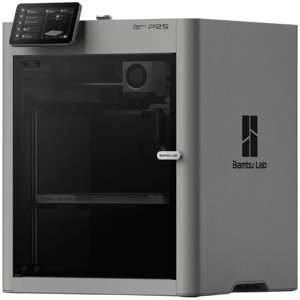
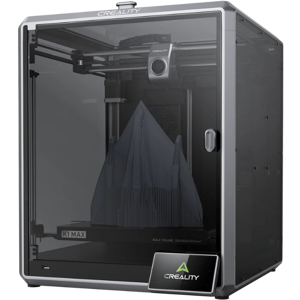
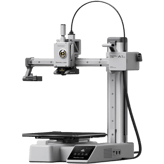
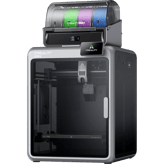
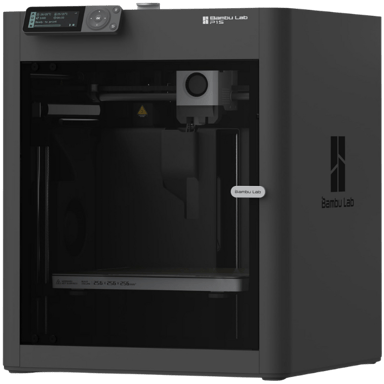
When comparing the Bambu Lab P1S and the Creality K1 Max, we find two powerful FDM 3D printers aimed at users ranging from consumer-level enthusiasts to professionals. Both machines sport a sturdy CoreXY frame and closed enclosures with carbon air filtration, ensuring quality prints and cleaner workspaces. Each offers heated chambers with temperature control up to 140°F, supporting a variety of engineering and prototyping projects. However, while the K1 Max boasts a significantly larger build volume and official max print speed, the P1S excels in print speed, multi-material capabilities, and smart automation features like filament auto-loading and extensive safety modes.
What Makes the Bambu Lab P1S Special?
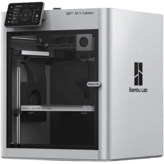
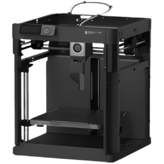
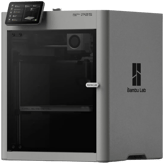
The P1S distinguishes itself with impressive versatility and user-centric enhancements. Although it offers a build volume of around 955.57 cm³, smaller than the K1 Max, its 500 mm/s print speed, confirmed by effective measurements, delivers exceptionally fast results, exemplified by an ultrafast 13-second Benchy print time. This is practically twice as fast as the K1 Max's timing.
Outstanding material compatibility is another hallmark: the P1S supports up to 16 filament types such as PLA, ABS, PETG, Nylon, PA, and PC, plus multi-material printing capabilities rarely seen at this price point. Coupled with a filament auto-loading system and a built-in filament dry box, it streamlines the multi-material workflow efficiently. Additionally, a premium 6-inch touchscreen with high resolution and full-color RGB chamber lighting enhances usability, plus detailed safety features like an emergency stop button, child lock mode, and fireproof build plate build confidence.
Hardware-wise, the P1S uses linear rails combined with vibration compensation for smoother motion and finer print accuracy. It includes predictive maintenance alerts and tool-free servicing to keep the printer in top shape effortlessly. Plus, its compact 22.68 lbs weight and moderate footprint make it ideal for limited spaces.
Features That Make the Creality K1 Max Stand Out
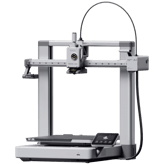
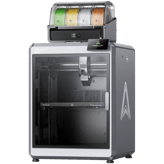
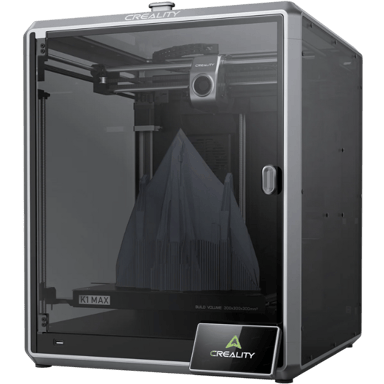
On the other side, the Creality K1 Max impresses with its huge build capacity of approximately 1647.69 cm³, nearly double that of the P1S, allowing for much larger objects or batch printing on a single plate. It also reaches a slightly higher document-supported 600 mm/s max speed, although measured effective speeds are notably lower at 250 mm/s.
K1 Max's supporting features include compatibility with popular slicers like Cura and PrusaSlicer, which is a plus for users preferring widely accepted software workflows over proprietary ecosystems. Connectivity options are broader with USB, LAN, and Wi-Fi, allowing flexible file transfer methods. The printer does come with a responsive 4.3-inch touchscreen and maintains standard hardware perks such as auto bed leveling, removable PEI magnetic plates, and a filament dry box.
While the K1 Max is heavier at 41.66 lbs and occupies a larger footprint, it compensates with a robust, professional-grade build suitable for bigger prints and more sustained professional workflows. It includes fitness for print farm management and cloud fleet control akin to the P1S, though it lacks layered safety innovations like emergency stops or child lock modes.
Quick Take of bambu lab p1s 3d printer vs Creality K1 Max
The Bambu Lab P1S offers blazing-fast print speeds and exceptional multi-material support wrapped in a compact, user-friendly package with advanced safety and maintenance features. Meanwhile, the Creality K1 Max delivers a considerable advantage in print volume and software flexibility, making it a solid choice for users prioritizing large-scale prints and established slicer compatibility.
Bottom Line: Which One Should You Pick?
If your projects demand rapid turnaround, multi-material versatility, and smart safety features without needing a giant build area, the Bambu Lab P1S emerges as the most balanced, cost-effective solution with prices starting at $399 at the Bambu Lab Store. Its blend of speed, precision, and automation elevates it above many contemporaries on the market.
Conversely, the Creality K1 Max suits professionals who need a larger print envelope and are comfortable with more manual workflows and limited multi-material functionality, accepting a higher price point in exchange for the bigger build volume.
Verdict
Winner: Bambu Lab P1S - Offers superior multi-material printing, ultra-fast, and effective print speeds, enhanced safety features, and a compact design at a more approachable price.
Runner-up: Creality K1 Max - Best for users seeking the largest print volume and compatibility with popular slicers, despite lacking advanced automation and safety functions.
Bambu Lab P1S supports Prototyping, Miniatures, and Engineering applications; Creality K1 Max supports Prototyping and Engineering, giving Bambu Lab a slight edge in miniature printing.
Lists the most common applications supported.
In the battle of Supported Applications,
Bambu Lab P1S ◉ is
same as
Creality K1 Max ◉
.
Don’t keep it to yourself — be the first to react and review the
Supported Applications on Bambu Lab P1S ◉
vs Creality K1 Max ◉ and help others decide!
0
Creality K1 Max
0Votes
Intermediate, Advanced, Professional
Creality K1 Max
The Creality K1 Max is designed for Intermediate, Advanced, and Professional users, offering features and performance suitable for experienced enthusiasts and professionals.
Indicates the recommended skill level.
In the battle of Target User Level,
Bambu Lab P1S ◉ is
same as
Creality K1 Max ◉
.
Don’t keep it to yourself — be the first to react and review the
Target User Level on Bambu Lab P1S ◉
vs Creality K1 Max ◉ and help others decide!
Who knows?
0Votes
Bambu Lab P1S
(Help us out by suggesting one!)
44.64
%
0Votes
Creality K1 Max
The build-to-printer size ratio is 44.64%, indicating an efficient use of space where the print volume is a significant portion of the printer's overall footprint.
The efficiency ratio of build volume relative to the overall printer size.
Don’t keep it to yourself — be the first to react and review the
Build-to-Printer Size Ratio on Bambu Lab P1S ◉
vs Creality K1 Max ◉ and help others decide!
The recommended operating temperature range for the printer is between 41-86°F (approximately 5-30°C), ensuring stable performance in typical indoor environments.
Recommended ambient temperature range for safe operation.
In the battle of Operating Temperature Range,
Bambu Lab P1S ◉ is
same as
Creality K1 Max ◉
.
Don’t keep it to yourself — be the first to react and review the
Operating Temperature Range on Bambu Lab P1S ◉
vs Creality K1 Max ◉ and help others decide!
Safe temperature range for storing the printer when not in use.
In the battle of Storage Temperature Range,
Bambu Lab P1S ◉ is
same as
Creality K1 Max ◉
.
Don’t keep it to yourself — be the first to react and review the
Storage Temperature Range on Bambu Lab P1S ◉
vs Creality K1 Max ◉ and help others decide!
Acceptable humidity range during printer operation.
In the battle of Operating Humidity Range,
Bambu Lab P1S ◉ is
same as
Creality K1 Max ◉
.
Don’t keep it to yourself — be the first to react and review the
Operating Humidity Range on Bambu Lab P1S ◉
vs Creality K1 Max ◉ and help others decide!
Both support 10-90% storage humidity range, ensuring material safety.
Safe humidity range for storing the printer.
In the battle of Storage Humidity Range,
Bambu Lab P1S ◉ is
same as
Creality K1 Max ◉
.
Don’t keep it to yourself — be the first to react and review the
Storage Humidity Range on Bambu Lab P1S ◉
vs Creality K1 Max ◉ and help others decide!
Who knows?
0Votes
Bambu Lab P1S
(Help us out by suggesting one!)
Who knows?
0Votes
Creality K1 Max
(Help us out by suggesting one!)
Power drawn while the printer is on but not printing.
Don’t keep it to yourself — be the first to react and review the
Idle Power Consumption on Bambu Lab P1S ◉
vs Creality K1 Max ◉ and help others decide!
The total build volume is 955.57 cubic in, which is approximately 15660 cm³ or 15.66 liters. This provides ample space for most consumer and prosumer 3D printing projects.
Creality K1 Max
The printer offers a generous build volume of 1647.69 cubic in (approximately 27 Liters or 27,000 cm³), providing ample space for large prints.
total printable volume capacity.
In the battle of Build Volume,
Bambu Lab P1S ◉ is
worse than
Creality K1 Max ◉
, delivering
lower
692.1 cubic in
measurement.
Based on community votes for Build Volume,
Bambu Lab P1S ◉ earned
0 votes,
less than
Creality K1 Max ◉,
which got 1 votes.
The minimum layer resolution is 100 microns (0.1 mm), enabling prints with fine details and smooth surfaces.
Finest layer height achievable.
In the battle of Layer Resolution Minimum,
Bambu Lab P1S ◉ is
better than
Creality K1 Max ◉
, delivering
lower
50.0 microns
measurement.
Don’t keep it to yourself — be the first to react and review the
Layer Resolution Minimum on Bambu Lab P1S ◉
vs Creality K1 Max ◉ and help others decide!
Maximum layer resolution is 350 microns for both, matching their upper layer thickness.
Thickest layer height achievable.
In the battle of Layer Resolution Maximum,
Bambu Lab P1S ◉ is
same as
Creality K1 Max ◉
, delivering
equal
350.00 microns
measurement.
Don’t keep it to yourself — be the first to react and review the
Layer Resolution Maximum on Bambu Lab P1S ◉
vs Creality K1 Max ◉ and help others decide!
The printer comes with a standard nozzle diameter of 0.4 mm, which is a common size for balancing print speed and detail.
Default nozzle diameter provided.
In the battle of Standard Nozzle Diameter,
Bambu Lab P1S ◉ is
same as
Creality K1 Max ◉
, delivering
equal
0.40 mm
measurement.
Don’t keep it to yourself — be the first to react and review the
Standard Nozzle Diameter on Bambu Lab P1S ◉
vs Creality K1 Max ◉ and help others decide!
The maximum extruder temperature can reach 572°F (300°C), enabling the printing of high-temperature filaments like PC and ASA.
Maximum heating capability of extruder.
In the battle of Max Extruder Temperature,
Bambu Lab P1S ◉ is
same as
Creality K1 Max ◉
, delivering
equal
572.00 °F
measurement.
Don’t keep it to yourself — be the first to react and review the
Max Extruder Temperature on Bambu Lab P1S ◉
vs Creality K1 Max ◉ and help others decide!
In the battle of Filament Diameter Supported,
Bambu Lab P1S ◉ is
same as
Creality K1 Max ◉
, delivering
equal
1.75 mm
measurement.
Don’t keep it to yourself — be the first to react and review the
Filament Diameter Supported on Bambu Lab P1S ◉
vs Creality K1 Max ◉ and help others decide!
Who knows?
0Votes
Creality K1 Max
(Help us out by suggesting one!)
Lowest operable extruder temperature.
Don’t keep it to yourself — be the first to react and review the
Min Extruder Temperature on Bambu Lab P1S ◉
vs Creality K1 Max ◉ and help others decide!
Who knows?
0Votes
Bambu Lab P1S
(Help us out by suggesting one!)
Who knows?
0Votes
Creality K1 Max
(Help us out by suggesting one!)
Variance in heat across the bed surface.
Don’t keep it to yourself — be the first to react and review the
Bed Temperature Gradient on Bambu Lab P1S ◉
vs Creality K1 Max ◉ and help others decide!
Range of temperatures the printer chamber can maintain
In the battle of Chamber Temperature Control Range,
Bambu Lab P1S ◉ is
same as
Creality K1 Max ◉
.
Don’t keep it to yourself — be the first to react and review the
Chamber Temperature Control Range on Bambu Lab P1S ◉
vs Creality K1 Max ◉ and help others decide!
Whether the printer supports independent extruder heads.
In the battle of Independent Dual Extruder,
Bambu Lab P1S ◉ is
same as
Creality K1 Max ◉
.
Don’t keep it to yourself — be the first to react and review the
Independent Dual Extruder on Bambu Lab P1S ◉
vs Creality K1 Max ◉ and help others decide!
Supported filament types include PLA, ABS, PETG, Nylon, TPU, PA, PC, ASA for Bambu Lab and PLA, ABS, PETG, TPU, Nylon, PC, ASA for Creality K1 Max, with Bambu Lab including PA.
Filament materials that the printer can process.
In the battle of Supported Filament Types,
Bambu Lab P1S ◉ is
same as
Creality K1 Max ◉
.
Don’t keep it to yourself — be the first to react and review the
Supported Filament Types on Bambu Lab P1S ◉
vs Creality K1 Max ◉ and help others decide!
Filament drying is often required, particularly for hygroscopic materials like Nylon or PETG, to ensure optimal print quality and prevent issues like stringing or poor layer adhesion.
Whether drying filament before use is necessary.
In the battle of Filament Drying Required,
Bambu Lab P1S ◉ is
same as
Creality K1 Max ◉
.
Don’t keep it to yourself — be the first to react and review the
Filament Drying Required on Bambu Lab P1S ◉
vs Creality K1 Max ◉ and help others decide!
In the battle of Max Supported Filament Diameter,
Bambu Lab P1S ◉ is
same as
Creality K1 Max ◉
, delivering
equal
1.75 mm
measurement.
Don’t keep it to yourself — be the first to react and review the
Max Supported Filament Diameter on Bambu Lab P1S ◉
vs Creality K1 Max ◉ and help others decide!
What is the maximum number of materials supported?
0
Bambu Lab P1S
0Votes
16
0
Creality K1 Max
0Votes
1
Maximum distinct materials supported in one job.
In the battle of Max Number of Materials Supported,
Bambu Lab P1S ◉ is
same as
Creality K1 Max ◉
.
Don’t keep it to yourself — be the first to react and review the
Max Number of Materials Supported on Bambu Lab P1S ◉
vs Creality K1 Max ◉ and help others decide!
Who knows?
0Votes
Bambu Lab P1S
(Help us out by suggesting one!)
Who knows?
0Votes
Creality K1 Max
(Help us out by suggesting one!)
Light wavelength compatibility for curing resins.
Don’t keep it to yourself — be the first to react and review the
Compatible Resin Wavelength on Bambu Lab P1S ◉
vs Creality K1 Max ◉ and help others decide!
Who knows?
0Votes
Bambu Lab P1S
(Help us out by suggesting one!)
Who knows?
0Votes
Creality K1 Max
(Help us out by suggesting one!)
Maximum amount of resin the tank can hold.
Don’t keep it to yourself — be the first to react and review the
Max Resin Tank Capacity on Bambu Lab P1S ◉
vs Creality K1 Max ◉ and help others decide!
Supports resins/filaments approved for medical or dental use.
In the battle of Biocompatible Materials Support,
Bambu Lab P1S ◉ is
same as
Creality K1 Max ◉
.
Don’t keep it to yourself — be the first to react and review the
Biocompatible Materials Support on Bambu Lab P1S ◉
vs Creality K1 Max ◉ and help others decide!
Measured effective print speed is 500 mm/s for Bambu Lab and 250 mm/s for Creality, indicating Bambu Lab is more efficient in practice.
Independently measured real-world print speed.
In the battle of Measured Effective Print Speed,
Bambu Lab P1S ◉ is
better than
Creality K1 Max ◉
, delivering
higher
250.0 mm/s
measurement.
Don’t keep it to yourself — be the first to react and review the
Measured Effective Print Speed on Bambu Lab P1S ◉
vs Creality K1 Max ◉ and help others decide!
The first layer calibration is Automatic, simplifying the process of achieving a perfect initial layer, which is crucial for print success.
Method used for first-layer bed calibration.
In the battle of First Layer Calibration,
Bambu Lab P1S ◉ is
same as
Creality K1 Max ◉
.
Don’t keep it to yourself — be the first to react and review the
First Layer Calibration on Bambu Lab P1S ◉
vs Creality K1 Max ◉ and help others decide!
In the battle of Spaghetti/Fault Detection,
Bambu Lab P1S ◉ is
same as
Creality K1 Max ◉
.
Don’t keep it to yourself — be the first to react and review the
Spaghetti/Fault Detection on Bambu Lab P1S ◉
vs Creality K1 Max ◉ and help others decide!
The build plate features a Textured surface, which enhances print adhesion and provides a distinct finish to the bottom of 3D prints.
Surface finish of the build plate.
In the battle of Build Plate Surface Texture,
Bambu Lab P1S ◉ is
same as
Creality K1 Max ◉
.
Don’t keep it to yourself — be the first to react and review the
Build Plate Surface Texture on Bambu Lab P1S ◉
vs Creality K1 Max ◉ and help others decide!
Power loss recovery is a key feature, allowing the printer to automatically resume a print from the point of interruption after a power outage, saving partially completed prints.
Recovers print jobs after power interruptions.
In the battle of Power Loss Recovery,
Bambu Lab P1S ◉ is
same as
Creality K1 Max ◉
.
Don’t keep it to yourself — be the first to react and review the
Power Loss Recovery on Bambu Lab P1S ◉
vs Creality K1 Max ◉ and help others decide!
The printer is equipped with multiple cooling fans to effectively dissipate heat from the hotend and cool printed layers, crucial for achieving good print quality, especially for overhangs.
Fans for cooling extruder and printed layers.
In the battle of Cooling Fans,
Bambu Lab P1S ◉ is
same as
Creality K1 Max ◉
.
Don’t keep it to yourself — be the first to react and review the
Cooling Fans on Bambu Lab P1S ◉
vs Creality K1 Max ◉ and help others decide!
The motion system utilizes a combination of Linear Rails and Belts to ensure precise and high-speed movement of the print head, contributing to superior print accuracy and speed.
Mechanical motion system guiding the print head.
In the battle of Motion System,
Bambu Lab P1S ◉ is
same as
Creality K1 Max ◉
.
Don’t keep it to yourself — be the first to react and review the
Motion System on Bambu Lab P1S ◉
vs Creality K1 Max ◉ and help others decide!
The printer incorporates vibration compensation technology to minimize artifacts caused by printer movement, resulting in smoother and more accurate prints, especially at higher speeds.
Compensation system to reduce print artifacts.
In the battle of Vibration Compensation,
Bambu Lab P1S ◉ is
same as
Creality K1 Max ◉
.
Don’t keep it to yourself — be the first to react and review the
Vibration Compensation on Bambu Lab P1S ◉
vs Creality K1 Max ◉ and help others decide!
In the battle of Lighting Inside Chamber,
Bambu Lab P1S ◉ is
same as
Creality K1 Max ◉
.
Don’t keep it to yourself — be the first to react and review the
Lighting Inside Chamber on Bambu Lab P1S ◉
vs Creality K1 Max ◉ and help others decide!
In the battle of Chamber Lighting Color Modes,
Bambu Lab P1S ◉ is
same as
Creality K1 Max ◉
.
Don’t keep it to yourself — be the first to react and review the
Chamber Lighting Color Modes on Bambu Lab P1S ◉
vs Creality K1 Max ◉ and help others decide!
Detects when filament runs out and pauses printing.
In the battle of Filament Runout Sensor,
Bambu Lab P1S ◉ is
same as
Creality K1 Max ◉
.
Don’t keep it to yourself — be the first to react and review the
Filament Runout Sensor on Bambu Lab P1S ◉
vs Creality K1 Max ◉ and help others decide!
The printer is compatible with popular third-party slicers such as Cura and PrusaSlicer. Creality's own software, Creality Print, is also recommended for slicing models.
Slicer programs that are compatible with the printer.
In the battle of Supported Slicers,
Bambu Lab P1S ◉ is
same as
Creality K1 Max ◉
.
Based on community votes for Supported Slicers,
Bambu Lab P1S ◉ earned
0 votes,
less than
Creality K1 Max ◉,
which got 1 votes.
The Bambu Lab P1S integrates with cloud-based software, enabling remote management, monitoring, and file transfer through the Bambu Handy app and Bambu Studio.
Indicates whether the printer uses or supports cloud software.
In the battle of Cloud-Based Software,
Bambu Lab P1S ◉ is
same as
Creality K1 Max ◉
.
Don’t keep it to yourself — be the first to react and review the
Cloud-Based Software on Bambu Lab P1S ◉
vs Creality K1 Max ◉ and help others decide!
Proprietary software, specifically Bambu Studio and Bambu Handy, is required for full functionality and optimal performance of the Bambu Lab P1S.
Whether use of manufacturer’s software is mandatory.
In the battle of Proprietary Software Required,
Bambu Lab P1S ◉ is
worse than
Creality K1 Max ◉
.
Don’t keep it to yourself — be the first to react and review the
Proprietary Software Required on Bambu Lab P1S ◉
vs Creality K1 Max ◉ and help others decide!
The printer primarily supports G-code files, which contain the specific instructions for the printer to execute the print.
File types accepted for printing.
In the battle of Supported File Formats,
Bambu Lab P1S ◉ is
same as
Creality K1 Max ◉
.
Don’t keep it to yourself — be the first to react and review the
Supported File Formats on Bambu Lab P1S ◉
vs Creality K1 Max ◉ and help others decide!
Remote firmware updates are supported, allowing the printer's software to be updated over the internet for new features and improvements without manual intervention.
Supports updating firmware remotely.
In the battle of Remote Firmware Update,
Bambu Lab P1S ◉ is
same as
Creality K1 Max ◉
.
Don’t keep it to yourself — be the first to react and review the
Remote Firmware Update on Bambu Lab P1S ◉
vs Creality K1 Max ◉ and help others decide!
In the battle of Multi-Printer Fleet Control,
Bambu Lab P1S ◉ is
same as
Creality K1 Max ◉
.
Don’t keep it to yourself — be the first to react and review the
Multi-Printer Fleet Control on Bambu Lab P1S ◉
vs Creality K1 Max ◉ and help others decide!
Who knows?
0Votes
Bambu Lab P1S
(Help us out by suggesting one!)
Who knows?
0Votes
Creality K1 Max
(Help us out by suggesting one!)
Time required to cure one resin layer.
Don’t keep it to yourself — be the first to react and review the
Resin Layer Curing Speed on Bambu Lab P1S ◉
vs Creality K1 Max ◉ and help others decide!
Whether it uses a sealed resin cartridge system for easy handling.
In the battle of Resin Cartridge System,
Bambu Lab P1S ◉ is
same as
Creality K1 Max ◉
.
Don’t keep it to yourself — be the first to react and review the
Resin Cartridge System on Bambu Lab P1S ◉
vs Creality K1 Max ◉ and help others decide!
Whether the printer supports integration with wash/cure stations.
In the battle of Post-Processing Equipment Compatibility,
Bambu Lab P1S ◉ is
same as
Creality K1 Max ◉
.
Don’t keep it to yourself — be the first to react and review the
Post-Processing Equipment Compatibility on Bambu Lab P1S ◉
vs Creality K1 Max ◉ and help others decide!
The Bambu Lab P1S holds CE and FCC safety certifications, ensuring it meets European and United States regulatory standards for electronics and electromagnetic compatibility.
Official safety standards the printer complies with.
In the battle of Safety Certifications,
Bambu Lab P1S ◉ is
same as
Creality K1 Max ◉
.
Don’t keep it to yourself — be the first to react and review the
Safety Certifications on Bambu Lab P1S ◉
vs Creality K1 Max ◉ and help others decide!
The P1S is designed with air quality compliance in mind, featuring an enclosed chamber and optional filtration system to manage emissions, especially when printing with materials like ABS.
Meets air quality standards for emissions and filtration.
In the battle of Air Quality Compliance,
Bambu Lab P1S ◉ is
better than
Creality K1 Max ◉
.
Don’t keep it to yourself — be the first to react and review the
Air Quality Compliance on Bambu Lab P1S ◉
vs Creality K1 Max ◉ and help others decide!
Shuts printer down automatically when critical errors occur.
In the battle of Auto Shutdown on Error,
Bambu Lab P1S ◉ is
same as
Creality K1 Max ◉
.
Don’t keep it to yourself — be the first to react and review the
Auto Shutdown on Error on Bambu Lab P1S ◉
vs Creality K1 Max ◉ and help others decide!
Resin spill protection data is unavailable for both.
Prevents or contains resin leaks in resin printers.
In the battle of Resin Spill Protection,
Bambu Lab P1S ◉ is
same as
Creality K1 Max ◉
.
Don’t keep it to yourself — be the first to react and review the
Resin Spill Protection on Bambu Lab P1S ◉
vs Creality K1 Max ◉ and help others decide!
Spare parts are readily available for the Bambu Lab P1S, ensuring ease of maintenance and longevity of the printer.
Whether spare parts are readily available for purchase.
In the battle of Spare Parts Availability,
Bambu Lab P1S ◉ is
same as
Creality K1 Max ◉
.
Don’t keep it to yourself — be the first to react and review the
Spare Parts Availability on Bambu Lab P1S ◉
vs Creality K1 Max ◉ and help others decide!
Predicts potential failures and alerts the user before issues arise.
In the battle of Predictive Maintenance Alerts,
Bambu Lab P1S ◉ is
better than
Creality K1 Max ◉
.
Don’t keep it to yourself — be the first to react and review the
Predictive Maintenance Alerts on Bambu Lab P1S ◉
vs Creality K1 Max ◉ and help others decide!
Ability to manage multiple devices remotely via cloud software.
In the battle of Cloud Fleet Management,
Bambu Lab P1S ◉ is
same as
Creality K1 Max ◉
.
Don’t keep it to yourself — be the first to react and review the
Cloud Fleet Management on Bambu Lab P1S ◉
vs Creality K1 Max ◉ and help others decide!
Advanced security measures like encryption, secure login, and permissions.
In the battle of Enterprise Security Features,
Bambu Lab P1S ◉ is
same as
Creality K1 Max ◉
.
Don’t keep it to yourself — be the first to react and review the
Enterprise Security Features on Bambu Lab P1S ◉
vs Creality K1 Max ◉ and help others decide!
Provides usage statistics and analytics for tracking productivity and costs.
In the battle of Usage Analytics Dashboard,
Bambu Lab P1S ◉ is
same as
Creality K1 Max ◉
.
Don’t keep it to yourself — be the first to react and review the
Usage Analytics Dashboard on Bambu Lab P1S ◉
vs Creality K1 Max ◉ and help others decide!
Option for service-level agreements and premium support contracts.
In the battle of SLA & Support Contracts,
Bambu Lab P1S ◉ is
same as
Creality K1 Max ◉
.
Don’t keep it to yourself — be the first to react and review the
SLA & Support Contracts on Bambu Lab P1S ◉
vs Creality K1 Max ◉ and help others decide!
Estimates printing costs (material, power, time) before job start.
In the battle of Predictive Cost Estimation,
Bambu Lab P1S ◉ is
same as
Creality K1 Max ◉
.
Don’t keep it to yourself — be the first to react and review the
Predictive Cost Estimation on Bambu Lab P1S ◉
vs Creality K1 Max ◉ and help others decide!
Print log storage is available, keeping a record of past print jobs, including duration, material usage, and any encountered errors, which is useful for troubleshooting and analysis.
Records print job history and diagnostic data.
In the battle of Print Log Storage,
Bambu Lab P1S ◉ is
same as
Creality K1 Max ◉
.
Don’t keep it to yourself — be the first to react and review the
Print Log Storage on Bambu Lab P1S ◉
vs Creality K1 Max ◉ and help others decide!
The presence of bed temperature sensors ensures precise and consistent heating across the build plate, which is crucial for uniform print adhesion and quality.
Detects and regulates the build plate temperature.
In the battle of Bed Temperature Sensors,
Bambu Lab P1S ◉ is
same as
Creality K1 Max ◉
.
Don’t keep it to yourself — be the first to react and review the
Bed Temperature Sensors on Bambu Lab P1S ◉
vs Creality K1 Max ◉ and help others decide!
Tracks and predicts potential failures before they occur.
In the battle of Predictive Failure Logs,
Bambu Lab P1S ◉ is
same as
Creality K1 Max ◉
.
Don’t keep it to yourself — be the first to react and review the
Predictive Failure Logs on Bambu Lab P1S ◉
vs Creality K1 Max ◉ and help others decide!
Stores history of calibration for quality control.
In the battle of Calibration History Log,
Bambu Lab P1S ◉ is
same as
Creality K1 Max ◉
.
Don’t keep it to yourself — be the first to react and review the
Calibration History Log on Bambu Lab P1S ◉
vs Creality K1 Max ◉ and help others decide!
Tracks and maintains chamber temperature for consistent prints.
In the battle of Chamber Temperature Sensors,
Bambu Lab P1S ◉ is
same as
Creality K1 Max ◉
.
Don’t keep it to yourself — be the first to react and review the
Chamber Temperature Sensors on Bambu Lab P1S ◉
vs Creality K1 Max ◉ and help others decide!
In the battle of Filament Jam Detection,
Bambu Lab P1S ◉ is
same as
Creality K1 Max ◉
.
Don’t keep it to yourself — be the first to react and review the
Filament Jam Detection on Bambu Lab P1S ◉
vs Creality K1 Max ◉ and help others decide!
Monitors extrusion pressure to prevent under- or over-extrusion.
In the battle of Extruder Pressure Sensor,
Bambu Lab P1S ◉ is
better than
Creality K1 Max ◉
.
Don’t keep it to yourself — be the first to react and review the
Extruder Pressure Sensor on Bambu Lab P1S ◉
vs Creality K1 Max ◉ and help others decide!
Surveys
Because hot takes deserve votes.
Printing Speed
How would you rate the printing speed of this 3D printer?
Lightning fast — Under 2 hours
0Votes
0Votes
Very fast — 2 to 5 hours
0Votes
0Votes
Fast — 5 to 10 hours
0Votes
0Votes
Moderate speed — 10 to 20 hours
0Votes
0Votes
Very slow — Over 20 hours
0Votes
0Votes
Print Quality and Detail
How would you describe the print quality and level of detail produced by this 3D printer?
Ultra fine detail — Layer height below 0.05 mm
0Votes
0Votes
Fine detail — Layer height 0.05 to 0.1 mm
0Votes
0Votes
Good detail — Layer height 0.1 to 0.2 mm
0Votes
0Votes
Decent detail — Layer height 0.2 to 0.3 mm
0Votes
0Votes
Rough and basic — Layer height above 0.3 mm
0Votes
0Votes
Build Volume Capacity
How do you find the build volume capacity of this 3D printer?
Extra large projects — Over 400 mm each side
0Votes
0Votes
Large projects — 300 to 400 mm each side
0Votes
0Votes
Medium projects — 200 to 300 mm each side
0Votes
0Votes
Small projects — 150 to 200 mm each side
0Votes
0Votes
Tiny prints only — Under 150 x 150 x 150 mm
0Votes
0Votes
Material Consumption Efficiency
How efficient is this 3D printer in using filament or resin materials?
Very efficient — Under 50 grams per model
0Votes
0Votes
Efficient — 50 to 70 grams per model
0Votes
0Votes
Decent efficiency — 70 to 100 grams per model
0Votes
0Votes
Average efficiency — 100 to 150 grams per model
0Votes
0Votes
Wasteful — Over 150 grams per model
0Votes
0Votes
Noise Level
How noisy is this 3D printer during operation?
Whisper quiet
0Votes
0Votes
Quiet most of the time
0Votes
0Votes
Manageable with background noise
0Votes
0Votes
Noticeable but tolerable
0Votes
0Votes
Loud and distracting
0Votes
0Votes
Durability and Lifespan
How durable does this 3D printer seem in terms of lifespan?
Very durable — Over 5 years
0Votes
0Votes
Long lasting — 3 to 5 years
0Votes
0Votes
Decent lifespan — 2 to 3 years
0Votes
0Votes
Short lifespan — 1 to 2 years
0Votes
0Votes
Breaks down quickly — Under 1 year
0Votes
0Votes
Performance
How would you rate the overall performance of this 3D printer in terms of print quality and reliability?
Excellent — Consistently produces high-quality prints with no issues
0Votes
0Votes
Good — Produces quality prints with minor inconsistencies
0Votes
0Votes
Average — Prints are acceptable with occasional issues
0Votes
0Votes
Below average — Frequent print failures or inconsistencies
0Votes
0Votes
Poor — Often fails to produce quality prints
0Votes
0Votes
Ease of Setup
How easy was the setup process for this 3D printer?
Very easy — The printer was simple to set up with clear instructions and minimal effort
0Votes
0Votes
Easy — Setup was straightforward, with only a few minor adjustments needed
0Votes
0Votes
Average — Setup was manageable but took time and required some troubleshooting
0Votes
0Votes
Challenging — Setup was difficult and required assistance from support or additional resources
0Votes
0Votes
Very difficult — Setup was complicated, with unclear instructions and many issues during the process
0Votes
0Votes
Pricing
How would you rate the pricing for this 3D printer?
Great value for money — Offers excellent features and performance at an affordable price
0Votes
0Votes
Pretty good price — Decent pricing for the features, a reasonable value
0Votes
0Votes
Fair deal — The price is acceptable but might be slightly high for the features offered
0Votes
0Votes
Kinda pricey — The price feels a bit high compared to similar models
0Votes
0Votes
Crazy expensive — The price is significantly higher than other options with similar features
0Votes
0Votes
Design Appeal
How would you rate the design appeal of this 3D printer?
Excellent — Sleek, modern design that looks great in any workspace
0Votes
0Votes
Good — Attractive and functional design that fits well in most environments
0Votes
0Votes
Average — Standard design with no particular standout features
0Votes
0Votes
Fair — Design feels bulky or outdated, but still serves its purpose
0Votes
0Votes
Poor — Unattractive design, clunky and may be an eyesore in most spaces
 Supermod
 Moderator


 Recaptor
 0
Cartling
0
Cartling